Easy, best and last-minute costume ideas for kids, adults and groups
Easy, best and last-minute costume ideas for kids, adults and groups, sorted by age, effort, budget and occasion, with build times and theme guides.
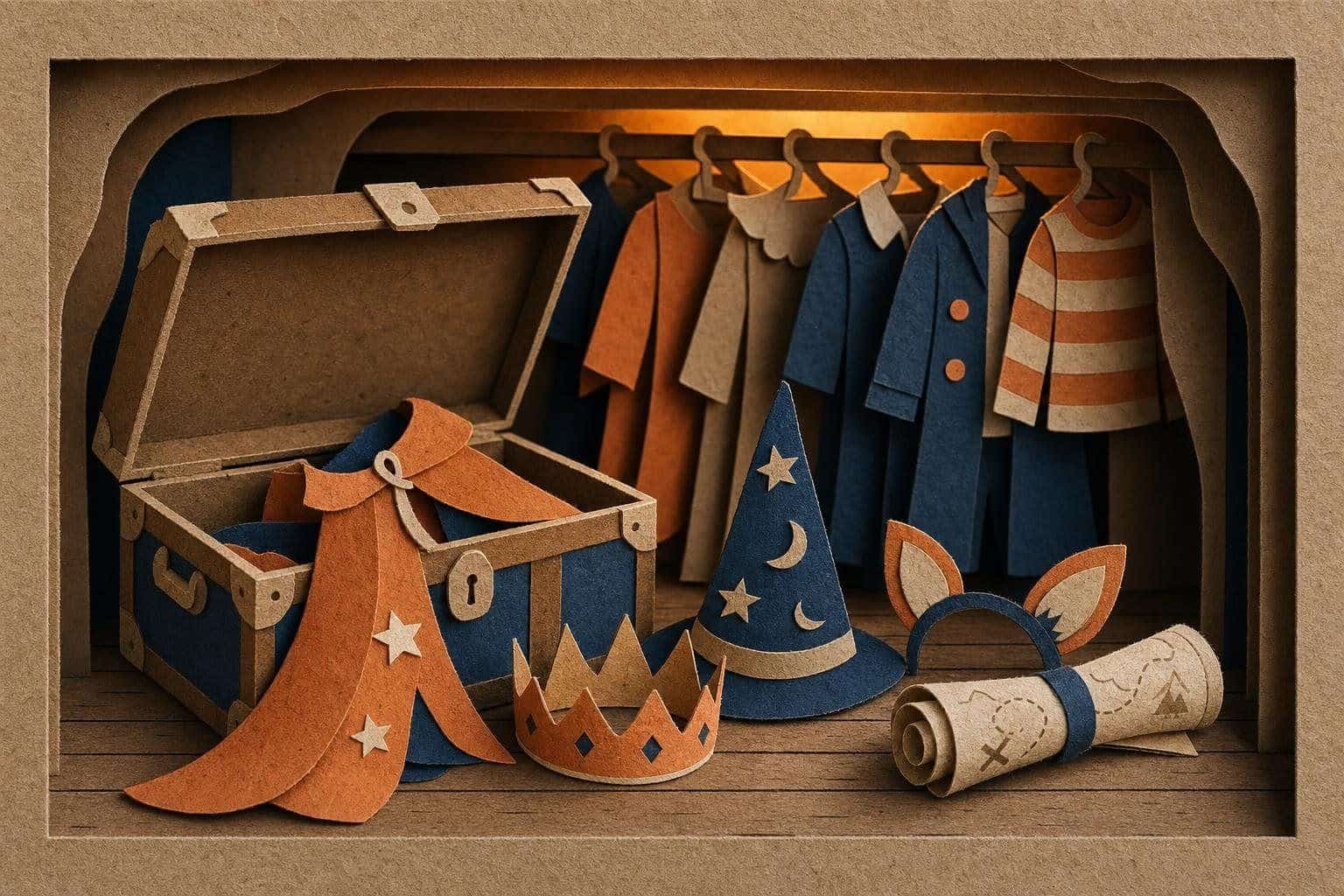
Costume ideas are easy to find and hard to choose between. This guide sorts them every way a real decision gets made: by category, by age, by how much time you have, by budget and by occasion, including Halloween costume ideas. It also shows how to pick between them, and points into the theme pages and build guides where each idea is explained in full.
If you would rather be handed a shortlist, the costume idea finder filters ideas by budget, effort and who is wearing the costume. If you like to browse, read on.
How to choose a costume idea that works
Most costume regret comes from picking the idea first and the constraints second. Reverse that and the choice gets easier. Ask four questions in this order.
- How much time do you have? Be honest. A costume you finish in two evenings beats an ambitious one you abandon.
- How long will it be worn? A twenty-minute photo is different from a six-hour school day or a night of walking and dancing.
- What do you already own? The cheapest costume is built from the wardrobe. A striped shirt, a dark coat or a pair of boots is already half a look.
- Who has to be able to move, see and breathe in it? Children, people in wheelchairs, and anyone eating or dancing all place different demands on a design.
Then use the one-element test. A good costume has one item that makes a stranger say what you are within three seconds: the hat, the cape, the ears, the prop. Everything else supports it. If you cannot name that item, the idea needs more thought, not more stuff.
Costume ideas by category
The theme guides under this guide each go deep on one family of costumes. Here is a quick tour of what each one covers and what makes it work.
Characters and heroes
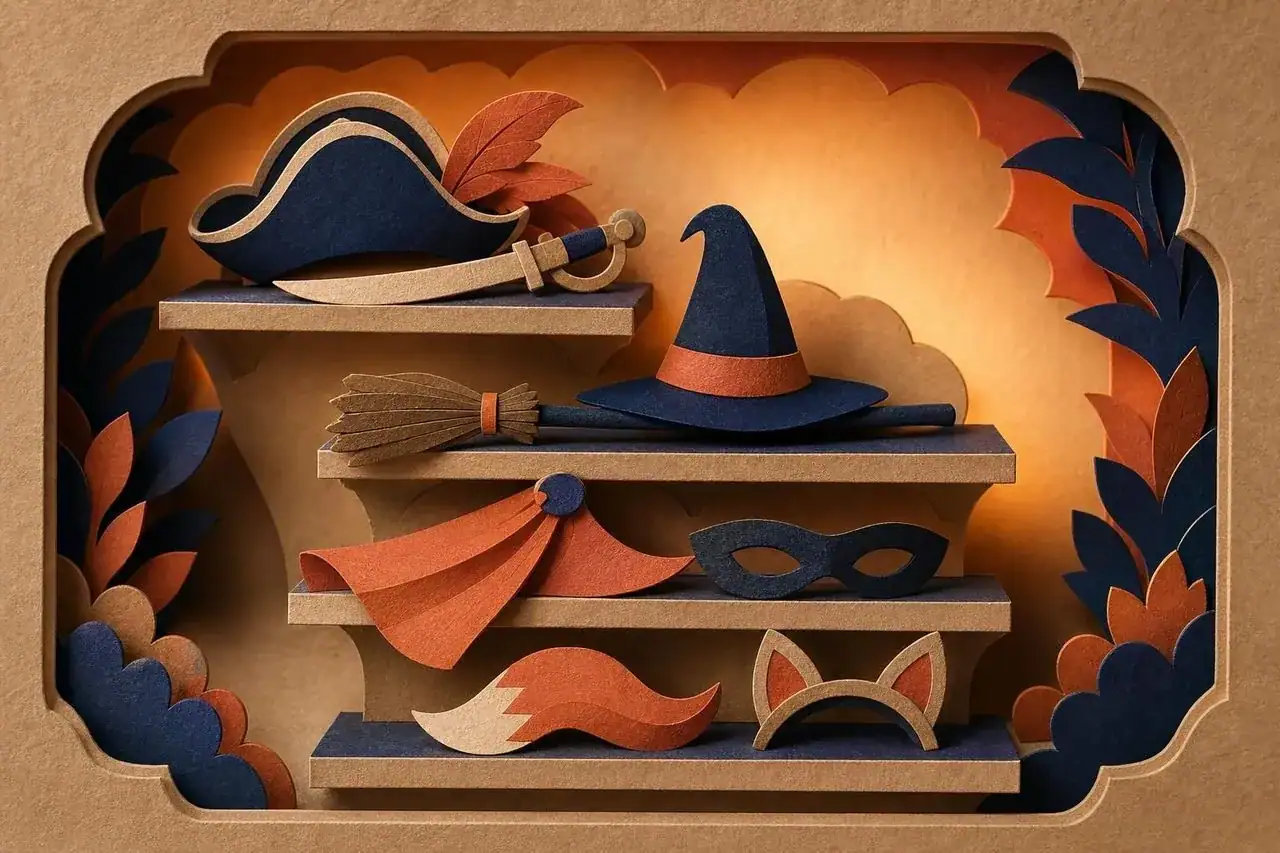
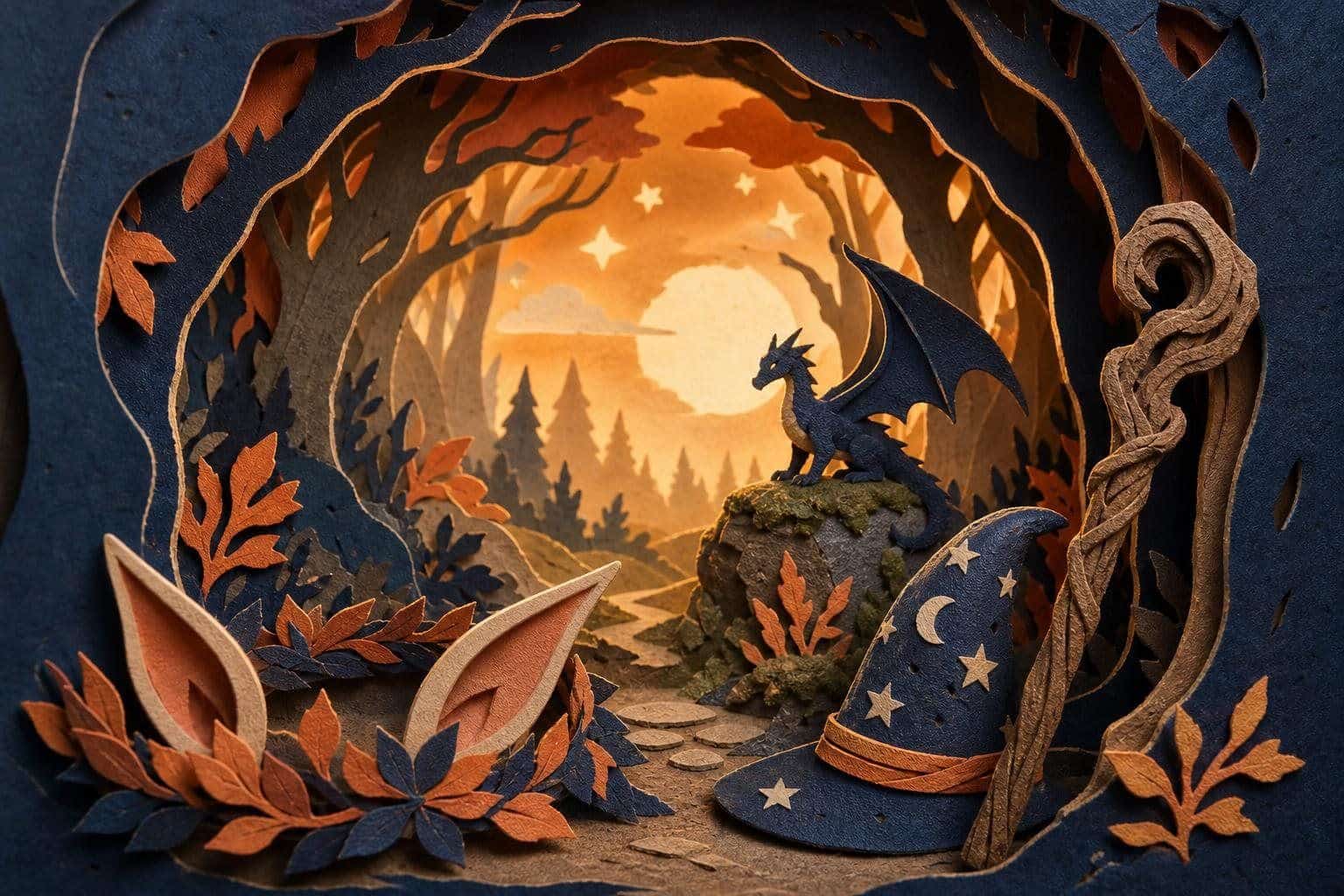
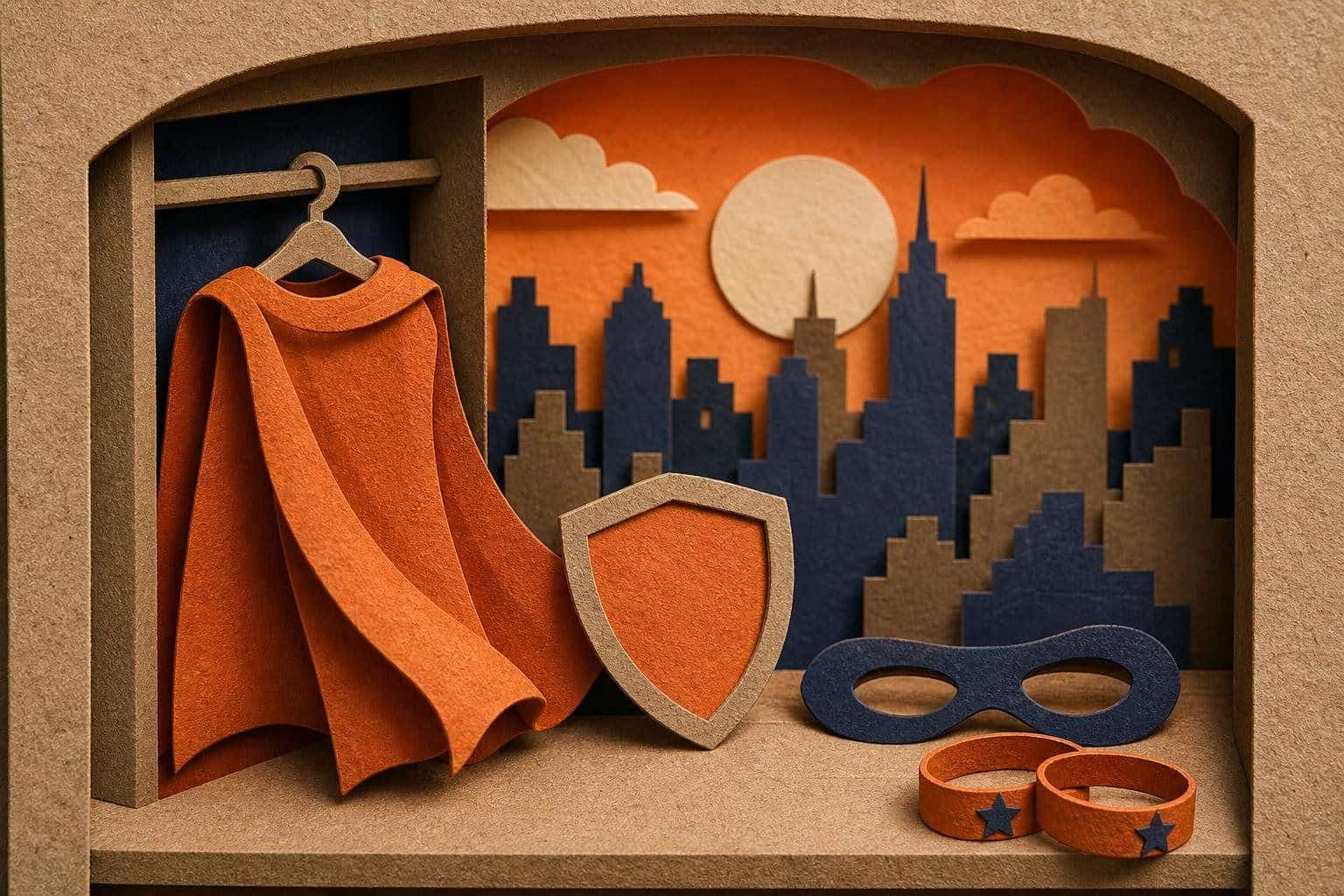
Hero costumes are built on silhouette: a cape, a belt, a mask or a symbol on the chest. They are forgiving, because children and adults already know the shape. The superhero costumes guide covers capes, chest emblems and gauntlets, and the princess and fairy tale costumes page covers gowns, crowns and wings. For fantasy worlds, the fantasy and elf costumes page handles pointed ears, tunics and cloaks.
Animals
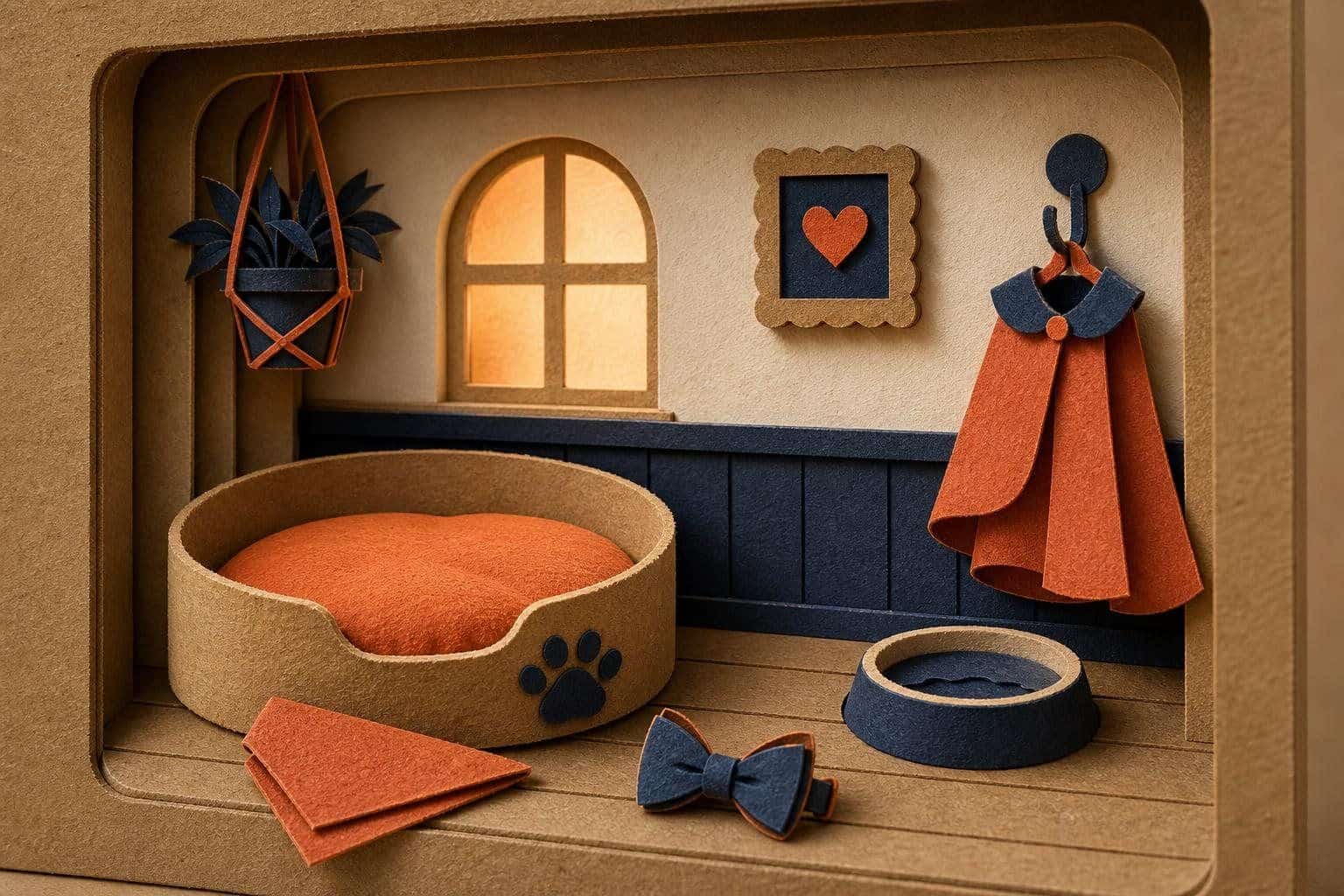
Animals are the great all-rounder: they suit toddlers, teenagers and adults, they are comfortable, and they build on hoodies and tights. Ears, a tail and a nose or whiskers, drawn with skin-safe face paint, make a convincing cat, fox, bear or rabbit. The animal costumes guide has the full range, and the pet costumes page covers dressing a dog or cat safely.
Professions and sports
Costumes built on real jobs are among the most reliable choices for school, because they carry no masks or weapons. A firefighter, doctor, chef, astronaut, mail carrier or farmer needs a recognizable garment and one tool. See career costumes for dozens of options, and sports costumes for team shirts, referees and mascots of a different kind.
Historical and period looks
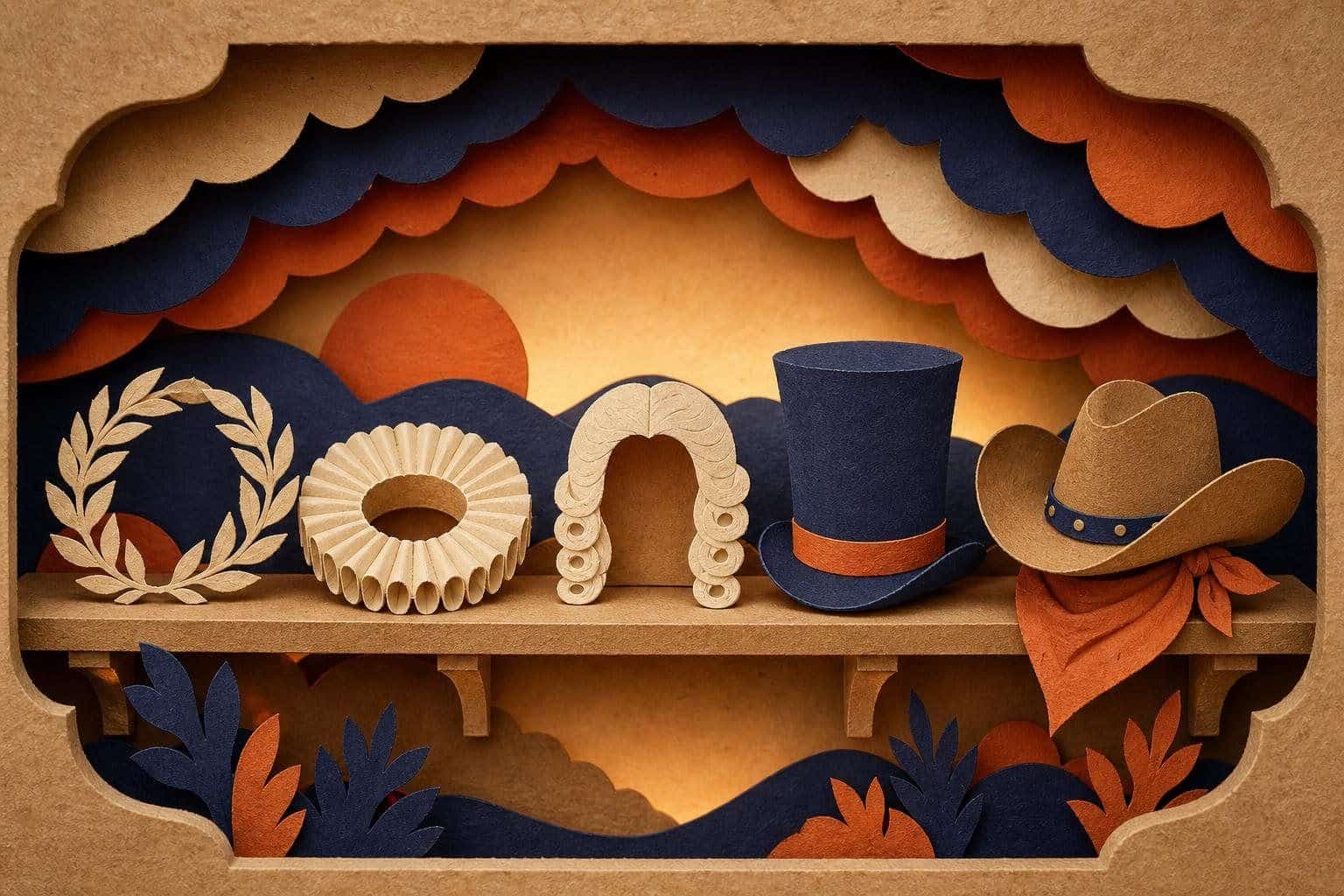
History gives you ready-made silhouettes: a toga, a Victorian top hat, a flapper headband, a 1950s poodle skirt, a Renaissance doublet. The historical costumes page covers eras from antiquity to the twentieth century, decade costumes handle the 1920s to the 1990s, and Renaissance costumes covers fairs and faires specifically. For the background on why people dressed the way they did, the costume history guide goes into it.
Adventurers and outlaws
Pirates, cowboys and explorers share a loose, layered look that is easy to assemble from thrift-store clothing. Start with the pirate costumes page for crew roles and safe props, and the cowboy and western costumes page for hats, bandanas and vests.
Spooky and seasonal
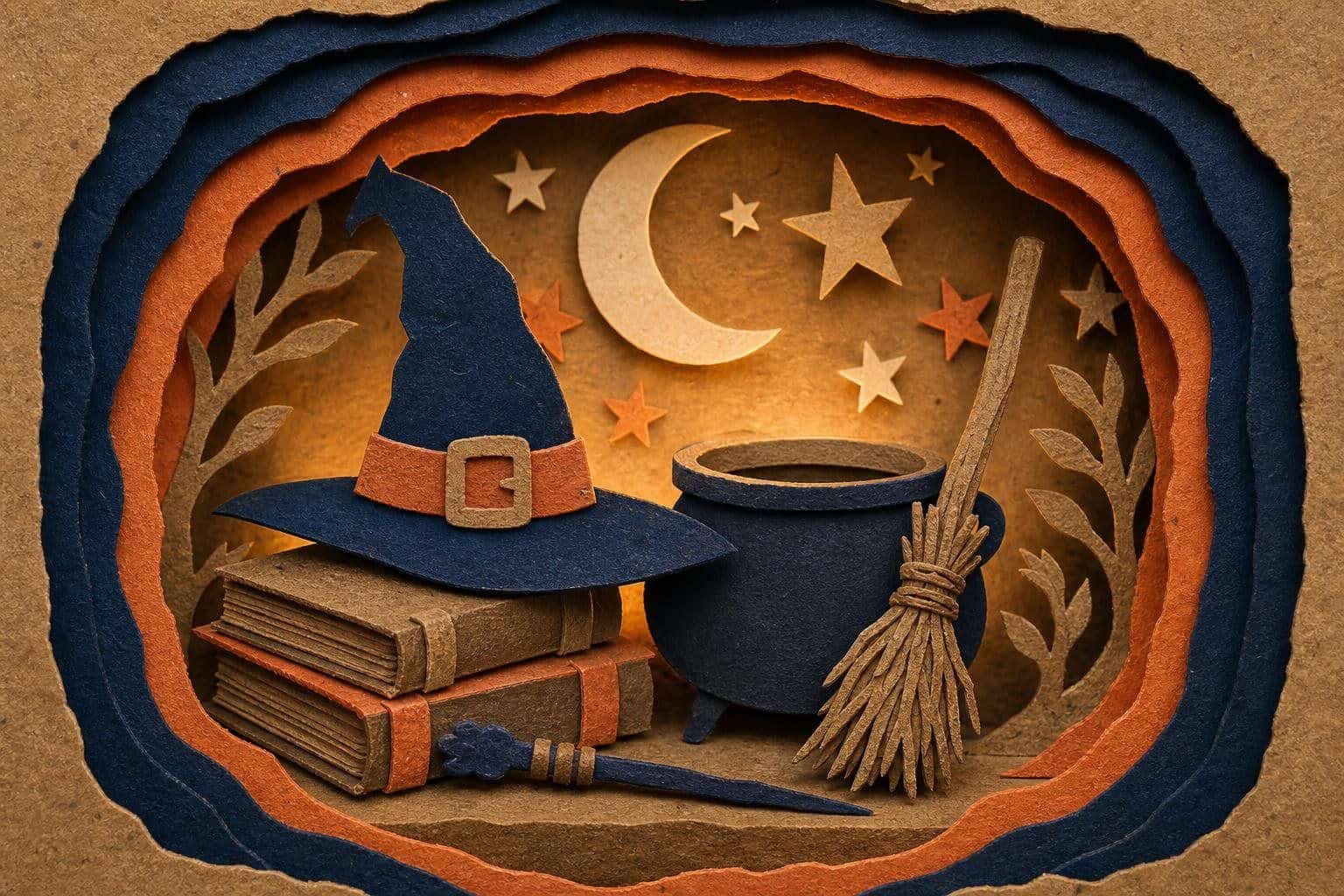
Witches, wizards, vampires and zombies are seasonal staples. The witch and wizard costumes page and zombie and vampire costumes page cover them, and costume makeup explains how to apply the face work safely. For winter dress-up, see Christmas costumes, and for the full calendar of dress-up occasions, the costume calendar.
Funny and clever
Funny costumes depend on wordplay, visual puns and exaggeration. They are the best category for adults who dislike elaborate builds, because the idea carries the costume. The funny costumes guide collects them.
Space and science fiction
Astronauts, robots and aliens suit cardboard, silver paint and foil, and children love them. The space and sci-fi costumes page explains how to build helmets, jetpacks and rayguns that are safe to wear.
Group and family themes
Groups need roles that fit together and photograph well. Think of a pirate crew, a circus, a farmyard, a set of crayons, a kitchen or a fairy-tale cast. Give each person a distinctive prop and a different silhouette. The family-theme principle is simple: shared theme, separate jobs.
Costume ideas by age
A costume that suits a four-year-old will not suit a sixteen-year-old, and the reasons are practical as much as social.
| Age | What works best | What to avoid |
|---|---|---|
| Babies and toddlers | Hooded animals, pumpkins, bumblebees, soft one-piece outfits | Masks, long capes, small buttons or detachable parts, tight headwear |
| 4 to 7 | Animals, superheroes, princesses, community helpers, simple dinosaurs | Props that are rigid or pointed, long hems, restrictive masks |
| 8 to 12 | Book and game characters, sports, historical figures, handmade armor | Costumes too fragile to survive a school day |
| Teens | Wordplay, pop culture, group themes, detailed cosplay-style builds | Costumes needing constant adjustment, anything that restricts walking |
| Adults | Characters, decade looks, funny concepts, couples and groups | Heavy full-body builds for long events, unventilated masks |
For more on dressing children, see the kids’ costume ideas, which covers each age band with build times and safety notes, and the adult costume ideas for grown-up looks.
Easy costume ideas by effort
Time is the real currency of costume making, so easy costume ideas are the ones that fit the hours you have. Here is a realistic menu by how long you have. The minutes are build estimates for an average maker and will vary.
Five to fifteen minutes
- Ghost: a plain sheet with eye holes cut at face height and the hem trimmed above the ankles.
- Tourist: a loud shirt, sun hat, camera on a strap and a map.
- Cat or mouse: felt ears on a headband, a tail pinned on, face paint whiskers.
- Wizard or witch: dark robe or dressing gown and a paper cone hat.
- Scarecrow: plaid shirt, patched trousers, a few straw tufts at the cuffs.
Thirty to sixty minutes
- Pirate: loose shirt, sash, bandana, boots and a cardboard cutlass.
- Hero: a no-sew cape, a felt emblem and a mask made from cardstock.
- Astronaut: white clothes, a foil-trimmed cardboard backpack and a silver-painted helmet frame.
- Painter: an apron splashed with fabric paint, beret, palette made from cardboard.
A few hours
- Knight: a cardboard tabard, helmet and shield. The cardboard knight costume guide walks through it.
- Dinosaur: a hooded sweatshirt with foam spikes and a stuffed tail.
- Robot: boxes, dryer hose and silver paint.
- Fairy or elf: a tunic, wire-and-fabric wings and a headpiece.
A weekend or longer
- Wonder Woman-style hero: a made-from-scratch armor-and-tiara set, as in the DIY Wonder Woman costume.
- Poison Ivy-style villain: leaf-covered tunic and foam details, as in the DIY Poison Ivy costume.
- Full armor, creature suits, big props: these need patterning, test fits and patience.
The DIY costumes index holds techniques for all of the above, from cutting cardboard to working with craft foam.
Last minute costume ideas for tonight
Last minute costume ideas work when the character is mostly clothes. Start with the five-to-fifteen-minute list above: a ghost, a tourist, a scarecrow or a cat can come out of a closet and a craft drawer in one evening. Pick one hero item, make it well, and leave everything else plain.
The best last minute costume ideas still need a quick test. Put the costume on, sit down, climb a stair and check that the wearer can see. If something fails, simplify it rather than patching it.
Costume ideas by budget
Money is rarely the limiting factor. Ideas cost more when you have to find things, not when they are expensive to make. A few ways to keep the cost low:
- Start from the wardrobe. Look for striped shirts, dark trousers, boots, coats, scarves, aprons and old formal wear.
- Borrow and swap. Friends, neighbors and families often have the one item you need. A swap box among parents at a school works better than any single purchase of materials.
- Use cardboard and paper. Packaging cardboard, cereal boxes, paper cups and paper plates become helmets, armor, crowns and instruments.
- Choose felt over fabric. Felt does not fray, so no hemming is needed, and a few sheets cover a lot of costumes.
- Make the prop the expense. One carefully made object can lift a plain outfit.
Costs vary by region and by what you already own, so treat any number you see online with caution. As a rough guide, a cardboard-and-paint costume often needs only a few dollars of extras such as paint, felt or elastic.
Costume ideas by occasion
The same idea can be a hit at one event and a problem at another. A few examples:
- Trick-or-treating and Halloween parties. Halloween costume ideas need visibility, warmth and comfort for walking. Reflective trim and soft props are essential.
- School parades and dress-up days. Needs no masks, no weapons and costumes that allow sitting and moving around. See the kids’ costume ideas for logistics.
- Parties. Allow eating, sitting and dancing. Avoid anything that needs both hands.
- Conventions and fairs. More ambitious builds suit these, but plan for long wear, crowds and bags.
- Plays and pageants. Costumes must be quick to change and readable from the back of a room.
- Holidays. Winter, spring and summer events have their own looks. The costume calendar lists them by month.
Best costume ideas for kids
The best costume ideas for kids are soft, safe and quick to put on. Animals, superheroes, pirates and community helpers rarely fail, because children recognize the shape and can move freely. Let the child choose the character, then keep the build simple enough that they can help.
Easy costume ideas for adults
Easy costume ideas for adults lean on real clothes and a clear joke or character: a decade look, a film detective in a trench coat, a pun built from a name tag and one prop. These looks only work if they are comfortable for hours, so skip anything that blocks eating, sitting or talking.
Costume ideas for groups and families
Group costume ideas work when everyone is distinct but clearly part of one picture. Four things help.
- Pick a theme with natural roles. A circus has a ringmaster, a strongman, a clown and an acrobat. A farm has a farmer, a cow and a scarecrow.
- Give each person a prop. A prop is the quickest way to make roles legible.
- Vary the silhouettes. If everyone is the same height and shape, the picture goes flat. Hats, capes and tails break it up.
- Match the effort to the weakest link. If one person hates dressing up, give them the simplest job, such as a tilted hat and a name tag.
Children and adults can dress as parts of the same scene, with the child taking the lead character and the adults the supporting roles, which makes group costume ideas easy to scale from a family to a whole classroom.
Comfort and safety in any costume
A costume that cannot be worn is not a costume. Keep these basics in mind for every idea on this page.
- See and breathe. Masks must have large eye and nose openings, and many children do better with face paint. Never rely on a mask that slips.
- Watch the hem. Long skirts, capes and trailing fabric cause falls on stairs and in the dark. Hems should clear the ground.
- Add reflective trim. Light colors and reflective tape help drivers see a child at dusk.
- Check fire safety. Look for flame-resistant fabrics, and keep costumes away from candles, lanterns and open flames.
- Test face paint. Do a patch test a day beforehand, use products labeled for skin, and keep paint out of the eyes.
- Mind the small parts. Buttons, beads and loose decorations are choking hazards for toddlers.
- Choose soft props. Foam and cardboard swords with rounded edges are safer than rigid ones.
- Be careful with hot glue and tools. Adults handle hot glue and craft knives, and children use safety scissors and cool-melt glue.
The costume safety guide goes into each of these in detail.
How to make any idea better
Once you have a concept, a few habits lift it above the ordinary.
- Make the silhouette clear. Squint at the costume. Does it read as a shape from across the room?
- Use contrast. Dark outfits with one bright accent, or the reverse, look sharper than mid-tone everything.
- Finish the edges. A neatly cut, painted cardboard edge looks far better than a ragged one.
- Weather the props. A little brown paint rubbed over a silver sword makes it look aged and real.
- Practice wearing it. A short rehearsal catches problems with sleeves, stairs and doorways.
For technique, the DIY costumes index is the place to start.
Costume ideas that do not need a mask
Many events ban masks, and many wearers dislike them, so it helps to know the alternatives. A hat, hood, wig or pair of ears frames the face without covering it. Face paint, applied with skin-safe products, lets you add whiskers, stripes, scars or a painted half-mask without blocking vision. Glasses, a beard made of wool or a bandana worn on the head also change a face. Roles that depend on a uniform, such as a chef, a pilot or a detective, need no face treatment at all. For painted looks, read the makeup guide first, and do the patch test a day early.
Costume ideas for cold, hot and wet weather
Weather decides more costumes than taste does. In cold weather, build the costume over a warm base layer and pick characters that suit bulk: a bear, a snowman, a knight with a padded tabard, a mountaineer. In heat, choose light fabrics and open shapes, such as a ghost in thin cotton, a gardener or a tourist, and avoid foam armor, full heads and heavy padding. For rain, skip paper and uncoated cardboard, which soften and tear, and use felt, fleece or painted and sealed pieces instead. A clear poncho under a cape keeps a child dry without ruining the look. Whatever the weather, check that hems stay off wet ground.
Costume ideas that become everyday dress-up play
A good costume has a second life. Capes, crowns, ears, tails, sashes, hats and foam swords return to the dress-up box and get used for months. If you are choosing between two ideas, pick the one whose parts can be mixed with other outfits. A cape works for a hero, a vampire, a wizard or a king. A striped top and bandana works for a pirate, a sailor or a mime. Planning for reuse also cuts the waste, since the best sustainable costume is the one worn several times.
How to pick between two good ideas
When two ideas tie, run a quick comparison. Which one can be finished a day early? Which one is more comfortable to wear for the whole event? Which has a hero item that is easy to make well? Which can be reused afterward? The idea that wins on three of the four is usually the right one. If it is still a tie, ask the person wearing it, and go with their choice.
Where to go next
Pick the route that matches your situation. If you want a quick shortlist, use the costume idea finder. If a child is wearing the costume, go to kids costumes. If you want to build it yourself, open DIY costumes. If you want to finish the look, the costume accessories page covers hats, wigs, belts and props, and costume makeup covers the face. If you love the characters themselves, the horror villains and monsters guide tells the stories behind classic movie monsters. And if a mascot suit is the goal, the mascot costumes guide covers choosing and wearing one.
In this guide
Questions people ask
What are some easy costume ideas I can make in 15 minutes?
What costume ideas work for both kids and adults?
How do I choose a costume when I cannot decide?
What are good last-minute costume ideas using things at home?
What are the best group costume ideas?
What costume ideas are good for toddlers?
How do I make a costume comfortable to wear for hours?
Are there costume ideas for people who dislike dressing up?
What are some cheap costume ideas for a big group?
What costume ideas are good for school, with no masks?
What costume ideas are popular for adults at parties?
How do I make a costume stand out without spending much?
Can I wear a costume I made for one event again?
How early should I start planning a costume?
What costume ideas suit a pet and its owner?
Which costume ideas are safe for dark evenings and trick-or-treating?
Keep going