The costume calendar: what to wear, and when
A month-by-month costume calendar for the US: which holidays, festivals and events invite dressing up, with general timing and where to start building.

Dressing up follows the calendar. A costume that is exactly right in October may look odd in March, and a look built for a spring faire will not suit a winter party. This costume calendar goes month by month through the US year and names the holidays and events that invite a costume, with general timing only. Dates for moving holidays change every year, so check a local source for the exact day.
January and February: winter parties and Carnival season
January is quiet for costumes. New Year’s Eve parties are over, and the next big event is the Carnival season that leads to Mardi Gras.
- Winter themed parties. Masquerade balls and decade parties are common in the colder months. A mask, gloves and a bold accessory make a look. The costume accessories page shows what each one adds.
- Mardi Gras. It falls on the Tuesday before Ash Wednesday, the first day of Lent, so it lands in February or early March depending on the year. Costumes, masks and parades are central, most famously in New Orleans. Purple, green and gold are the colors long linked with the celebration.
March: St. Patrick’s Day, Purim and book days
- St. Patrick’s Day, March 17. Wear green, and add a hat or a simple accessory. Keep the look to the holiday and its colors, and skip caricature.
- Purim. The Jewish holiday falls in the Hebrew month of Adar, which means late winter or early spring. Dressing up is a cherished custom, and children and adults wear story characters, animals and everyday figures.
- Reading events. Many schools run book character days in late winter and spring, with timing set by each school. A costume from a favorite story, built from clothes at home, is the usual choice.
April and May: spring fairs and Cinco de Mayo
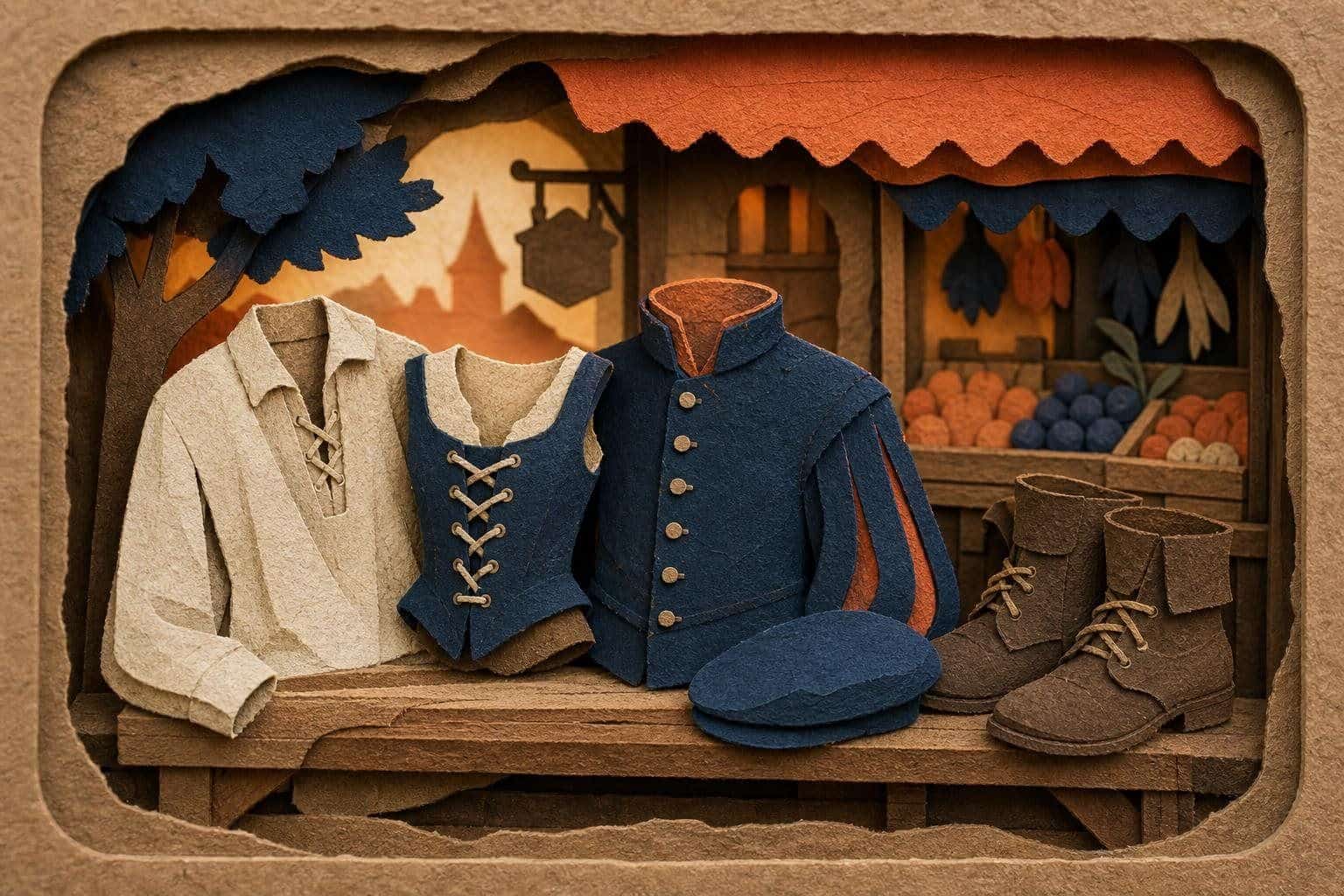
- Spring fairs and festivals. Some renaissance faires begin their seasons in spring, though schedules differ by location. For period looks, see renaissance costumes.
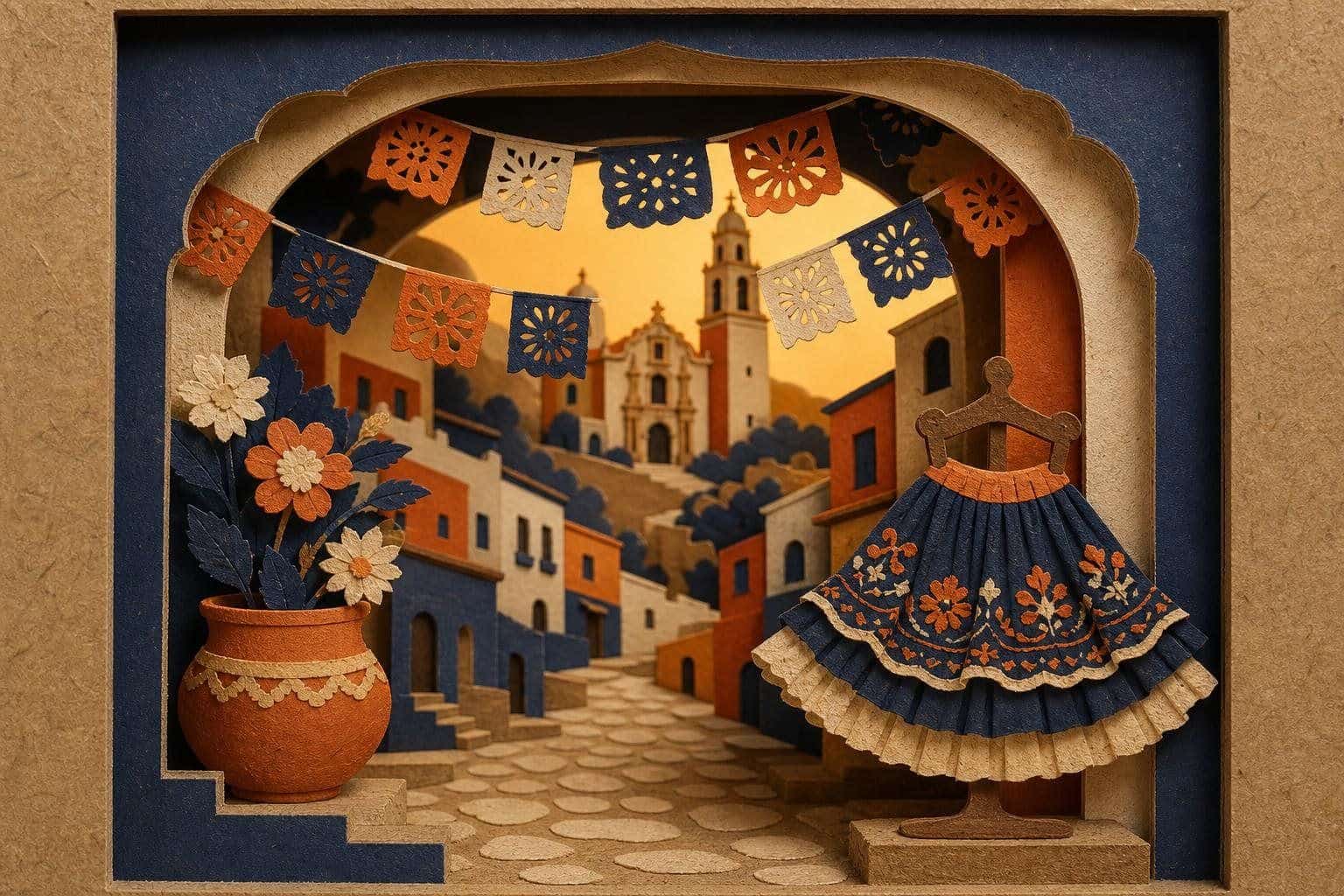
- Cinco de Mayo, May 5. The day commemorates a Mexican military victory at the Battle of Puebla, and traditional dress has real cultural meaning. The Cinco de Mayo outfits article explains the holiday and what respectful dressing looks like.
- School spirit and history days. Late spring often brings school costume days, with themes such as history figures or careers.
June: Pride and early summer
Pride events take place in many US cities in June, and costume, color and creative dress are a big part of them. The look is up to the wearer: rainbow colors, bold accessories and handmade pieces are all welcome. Check the event’s own guidance about parades, weather and what you can carry.
July and August: summer fairs and conventions
- Fourth of July, July 4. Patriotic colors, hats and themed accessories are typical. Some towns hold costume contests or parades.
- Renaissance faires. Many run on weekends through the warmer months. Wear comfortable shoes and breathable layers, because a long period dress or doublet is hot outdoors.
- Conventions. Fan and comic conventions are held across the country, with many in summer. Costume contests and cosplay are common. If you want to meet makers, the communities to follow article is a good guide.
September: back to school
September is when schools hold spirit weeks and early costume days. It is also the month to plan for the Halloween season while there is time to build something properly. Start a larger build now, and read the costume safety guide before the season begins.
October: Halloween
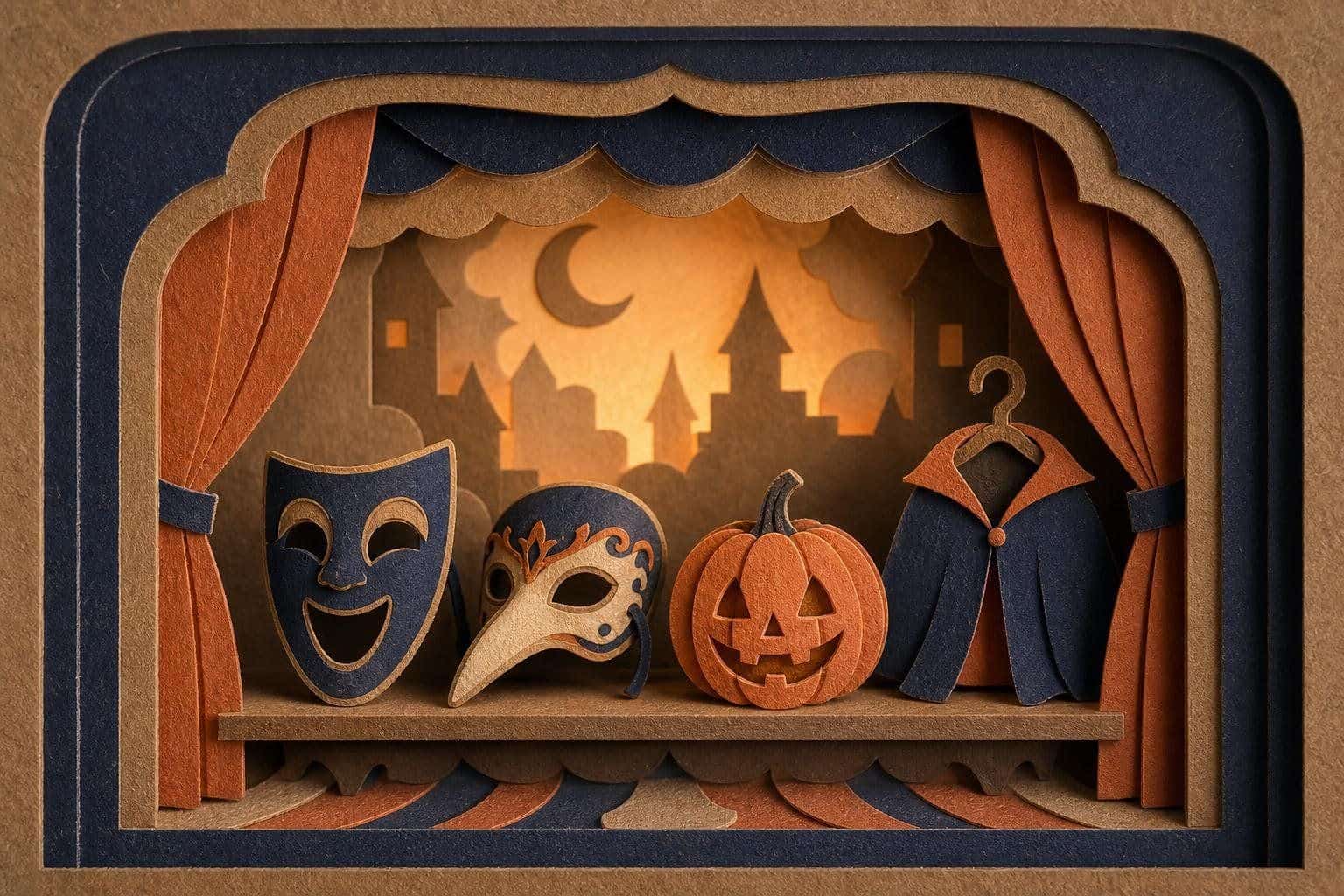
Halloween falls on October 31, and the dressing-up season often covers most of the last week and a half of the month, with school parades, community events and parties. The look can be scary, silly, historical or homemade.
- For ideas, browse costume ideas, where every theme from pirates to zombies has its own page.
- For scary characters and how they became famous, see horror villains and monsters.
- For the origins of the holiday’s customs, read the costume history page.
Plan for night: add reflective elements, make sure masks do not block vision, and keep flowing fabric away from candles and decorations.
November: Day of the Dead and fall events
Day of the Dead, Dia de los Muertos, is observed on November 1 and 2. It is a Mexican tradition honoring family members who have died, and the skull imagery of calaveras and La Catrina is part of it. Painting a face as a skull is not a long-standing tradition in every community, though it has become popular. It is a real holiday with real meaning, so learn what the imagery stands for and follow the lead of people who celebrate it. Fall fairs and school plays also use period costumes in November, such as harvest and history themes.
December: Christmas and New Year’s Eve
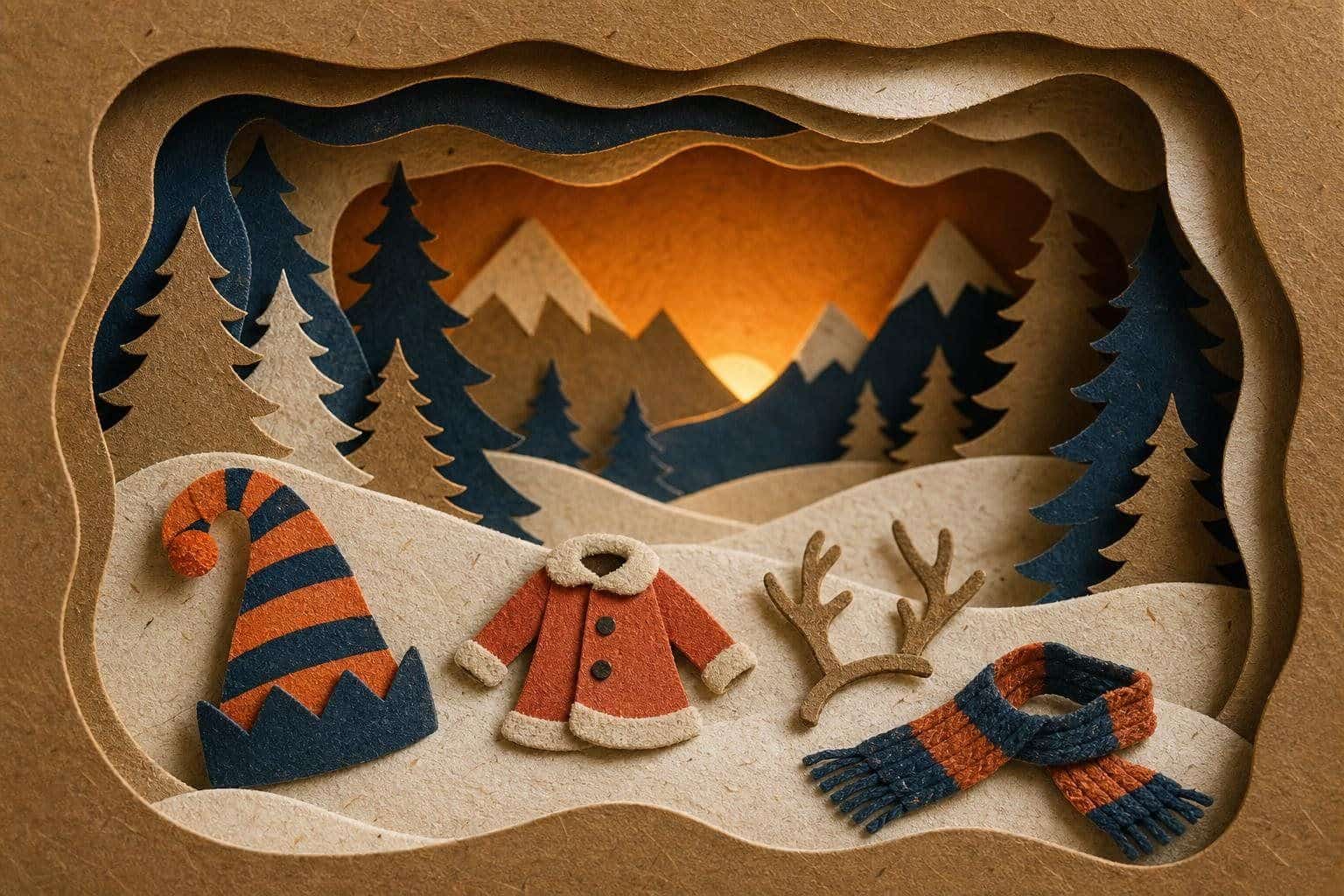
- Christmas. Elves, Santa, reindeer and nativity costumes appear at school plays, church events and parties. The Christmas costumes page covers the options, from a simple elf hat to a full build.
- New Year’s Eve, December 31. Party dress and themed parties, with sequins, tuxedos, top hats and decade looks.
Year-round costume occasions
Some dressing up does not follow a calendar at all: theater productions, birthday parties, themed weddings, fundraisers and costume dinners. For these, choose a theme and effort level first, then work backward from the date.
Planning a costume by season
- One week away: assemble from clothes at home. A hat, a cape or an apron changes a plain outfit.
- One month away: a sewn or foam build. See the DIY costume guides.
- Outdoor events: think about weather, layers and comfortable shoes.
- Night events: add reflective tape and a flashlight.
For the holiday facts behind some of these days, see the holiday trivia article.
Plan backwards from the day
Every event on the calendar has a build time hiding behind it. A good rule is to count backwards from the date and give each stage its own slot: choosing the idea, gathering materials, making the main piece, testing the fit, and a spare evening for the part that goes wrong.
For a simple look from things you already own, a single evening is enough, and the Idea Finder will match one to your budget and time. A cardboard build such as the cardboard knight needs a weekend, plus drying time for paint. Anything that involves a wig, a mask or makeup deserves a full trial run a few days early, so you find out about itchy fabric, fogging eyeholes or a skin reaction while there is still time to switch plans. Kids’ costumes work best when the child helps choose, so give them the ideas a few weeks ahead and let them pick, as the kids’ costume guide suggests.
Questions people ask
When do people dress up in the United States?
What is the biggest costume holiday?
When is Mardi Gras and do people wear costumes?
Do people dress up for Christmas?
What do you wear for St. Patrick's Day?
What is Purim and do people wear costumes?
Do people wear costumes on Cinco de Mayo?
When do renaissance faires happen?
When are comic and fan conventions held?
How early should I start planning a costume?
Keep going