Space and sci-fi costume ideas
Sci-fi costumes you can build at home: cardboard robots, aliens, astronauts and retro space looks, with the detail that sells each one and safe ways to make it.
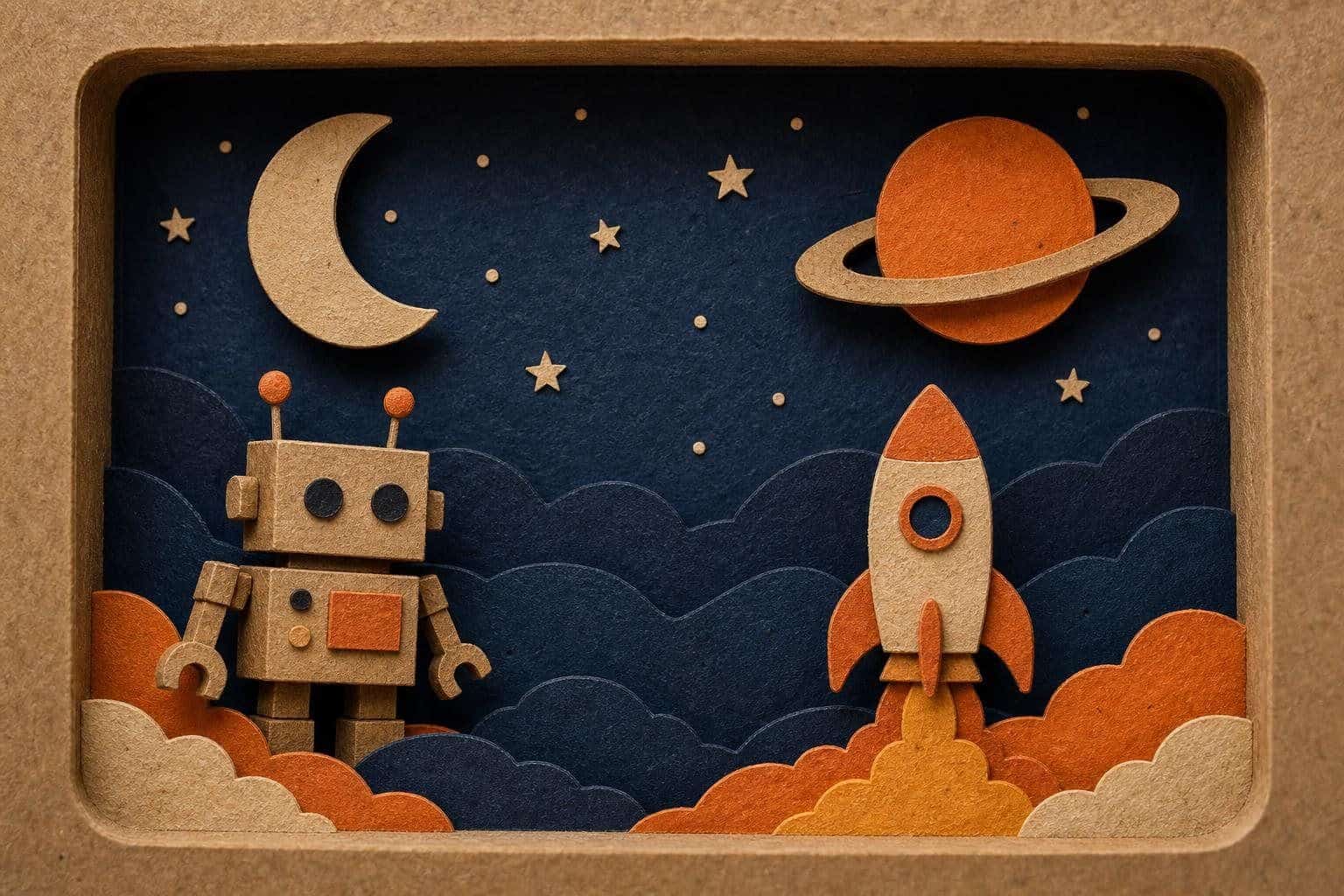
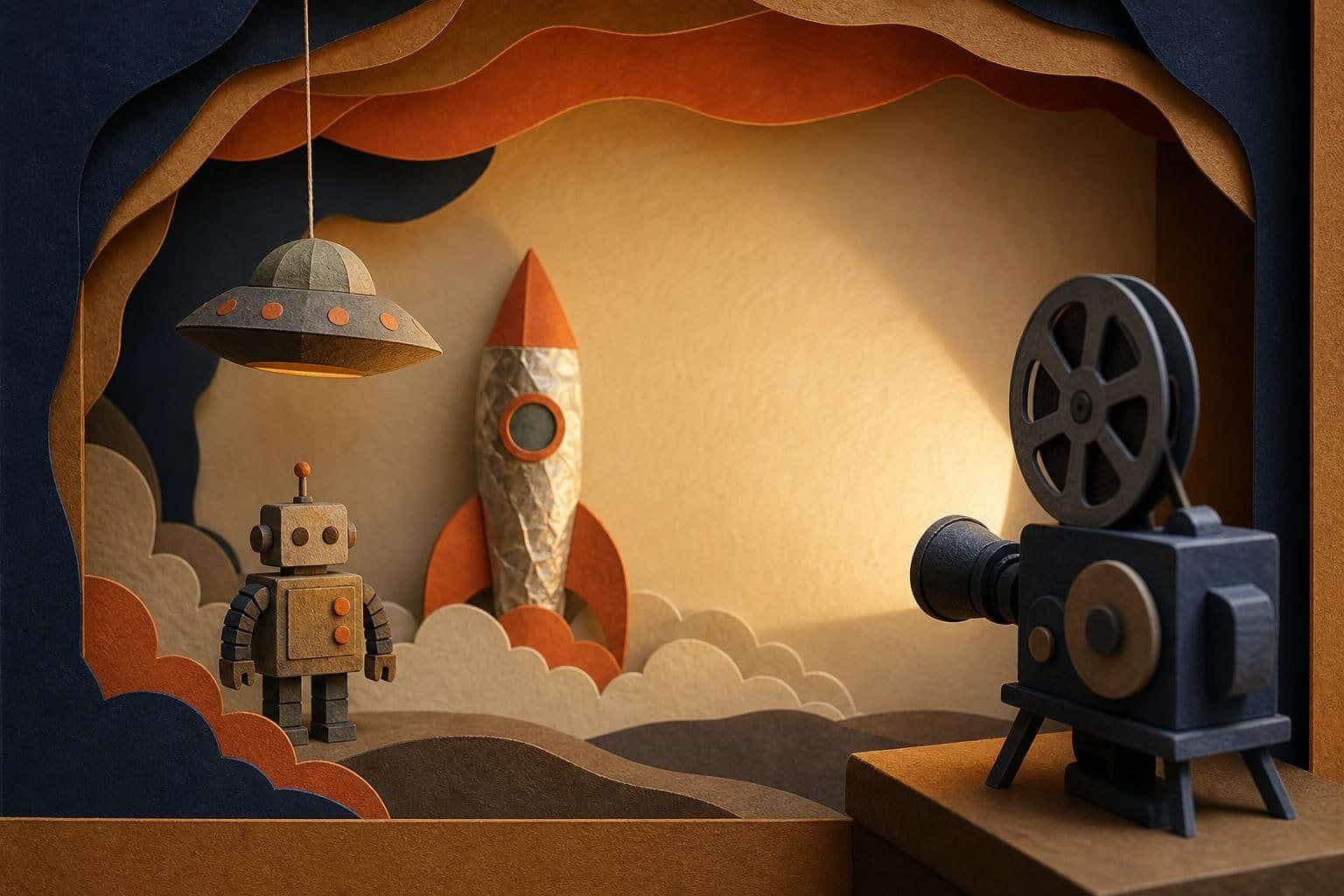
Space and sci-fi costumes have one huge advantage: you can make them from boxes, foil, bottle caps and a can of silver paint. Robots, aliens, astronauts and retro space explorers all read clearly from a distance, and the details are yours to invent. This page gathers sci-fi costume ideas with the one feature that sells each look, a quick build and safe ways to wear them. The ideas are inspired by the genre rather than any particular film, so nothing here needs a licensed design.
Robots
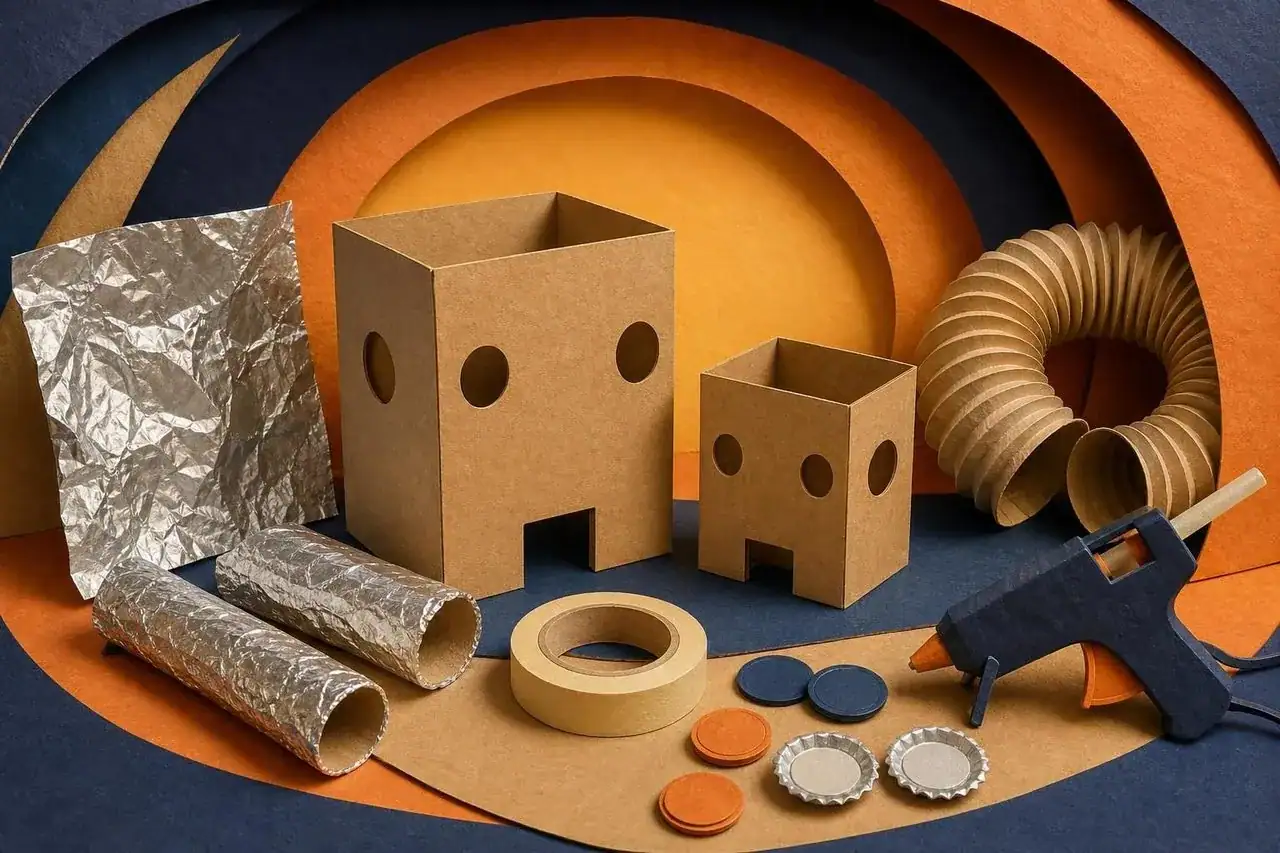
Classic cardboard robot. Two boxes, one for the body and one for the head, painted silver or covered in foil tape, with bottle caps for dials and cardboard tubes for arms. The sell is the boxy shape and the row of knobs. Cut a wide visor so you can see. An afternoon and a roll of tape.
Retro tin-toy robot. A rounder, friendlier robot with a painted-on key in the back, rivet dots made from stickers or paint, and bright red or blue accents on silver. The sell is the wind-up key. Good for children, and cute for pairs.
Circuit-board robot. A black or green top covered in lines of silver tape and small colored dots, with a battery-style panel on the chest. The sell is the tape pattern, and it is much lighter and easier to wear than a box.
Household bot. A robot with a lampshade head, a pair of vacuum-style hose arms made from dryer ducting and a chest tray. Funny and wearable, and a good bridge to funny costume ideas.
Aliens
Friendly green alien. Green top and leggings, antenna headband with foam balls, big round eyes on a hood and a stuffed tail. The sell is the antennae. Keep the face visible, and skip heavy makeup for young kids.
Alien botanist or explorer. A tidy jumpsuit with patches of invented symbols, a collection bag and a handful of paper alien plants. The sell is the patch collection. This works for adults and teens, and avoids horror.
Tentacle creature. A hoodie with soft fabric tentacles, stuffed with polyester fill and sewn or glued on, and extra eyes from felt. The sell is the many arms. Keep tentacles short so they do not trip anyone.
Astronauts and explorers
Astronaut. A white or light gray jumpsuit, a tank pack made from two clean, empty plastic bottles on a backpack, patches with invented insignia, and a helmet with a wide opening. The sell is the backpack and gloves. For a related career look, see profession costumes. Never build a closed helmet.
Moon walker. Same suit with gray dust smudges, a flag-style pennant made of your own design and cardboard boot covers. The first crewed Moon landing took place in July 1969, and a retro white suit with a pennant makes a fun nod to it.
Space cadet. Brightly colored uniform tunic, goggles and a toy visor. A pleasantly old-fashioned look that is more cheerful than technical.
Retro 1970s sci-fi looks
Disco-age space traveler. A shiny satin or silver jumpsuit, wide belt, big collar, a cape and metallic boot covers. The sell is the sheen and the wide belt. For related eras, see decade costumes.
Starship captain. A plain tunic in a bold color with a made-up emblem patch, dark trousers and a toy communicator made from a card box. The sell is the emblem. Make up your own logo rather than copying a real one.
Space queen or princess. A metallic dress, a pair of sparkling hair buns or crown and a cape. Add a toy blaster made from card only if the event allows props.
Space creatures and curiosities
Comet. A white or silver cape with a long tail of tulle and ribbons, and a glowing headband. The sell is the trailing streamer. Keep it short enough to avoid trips.
Planet. A large painted card or felt circle with rings of paper, worn as a sandwich board. A ringed planet is easy to recognize. Add a paper moon on a headband.
How to build a cardboard robot, step by step
- Choose boxes. A body box that fits over the shoulders to the hips, and a head box that fits loosely over the head with room to turn.
- Cut openings. Cut arm holes, a neck hole in the base of the head box and a wide visor slot. Round and tape every edge. The visor slot should let the wearer see ahead, to the sides and down.
- Cover. Paint with silver or spray paint outdoors, or wrap with foil tape. Let paint dry fully, and ventilate well.
- Add details. Glue bottle caps, buttons, tubes and paper panels. Draw dials with marker.
- Add straps. Hang the body box from the shoulders with wide fabric straps, and pad the neck and arm holes with foam strips.
- Test. Walk, sit, go through a door and turn around. Trim anything that catches.
Lights, glow and special effects
A little light turns a good costume into a memorable one, and it is also useful after dark. Battery-powered small LED string lights with a closed battery pack can be threaded through a robot’s chest panel or around an astronaut’s backpack. Glow bracelets work as wrist dials. Keep the battery pack in a sewn or taped pocket, away from small children, and never run lights from a wall socket. Do not place lights close to the eyes. Cardboard cut-outs backed with tissue paper in orange, blue and green make a convincing control panel when a light sits behind them. For sound, a small toy beeper tucked in a pocket gives a robot a voice, as long as it can be switched off for quieter spaces.
Space makeup and body details
Alien and space looks can be done with simple, skin-safe face paint. Use soft green, blue or silver shading on cheeks and brow, and add small star dots or a few lines. Patch test first, keep products away from the eyes unless labeled for use there, and avoid glitter near eyes for children. For a retro look, a bright shimmer on the cheekbones and a bold color on the lids suits adult makeup. Gloves in silver or white finish astronaut and robot looks, and cover any gaps between sleeves and hands. See costume makeup for general guidance.
Group and family ideas
Space looks are easy to coordinate. A family can be a crew, with a captain, an engineer, a pilot and a small alien stowaway. A group of friends can be a set of robots in different colors, each with a different box and dial layout. A pair can be an astronaut and a floating planet. Pick a single metallic color as the common thread, and let the shapes and accessories vary.
Inspired by, not copied from
Many people want to dress as a favorite film character. For a home-made costume, treat it as inspiration. Pick the shapes and colors that make the character recognizable, and build them with your own materials, without logos, exact trademarked words or insignia from real productions. An invented crew patch and a made-up ship name give the same spirit, and nobody will mistake your costume for official merchandise.
How to choose a sci-fi look
| Look | Time | Best for |
|---|---|---|
| Alien antenna headband | 15 minutes | Kids, last-minute |
| Circuit-board top | 1 hour | Teens, adults |
| Astronaut | 2 hours | Kids, groups |
| Cardboard robot | 3 to 5 hours | All ages |
| Retro 1970s jumpsuit | 1 hour with thrift clothes | Adults, teens |
Choose by who is wearing it and where. For small children, go light and soft. For a crowded convention, keep it narrow enough to walk through. For a party, a glow detail is an easy winner. The B-movies and sci-fi page covers the pulp-era monsters and robots that inspired many of these looks, if you want to dig into the story behind them.
Comfort and safety notes
Boxes get hot. Cut ventilation holes in head pieces and take regular breaks. Keep the view wide and clear, and never build a sealed helmet. Round every edge, and use soft or card props with no sharp points. Foil should be smooth and kept away from the face. LED lights should be battery powered, with the battery box closed and out of reach of small children, and not taped to the face. Use paint and spray adhesive outdoors, and let everything dry fully. Check shoes and long capes for trip hazards. See the costume safety guide for more.
Finishing touches
Goggles, belts and gloves make a space look read as complete. For ideas, see costume accessories and the wider DIY costume guides.
Questions people ask
What is the easiest sci-fi costume to make?
How do I make a robot costume from cardboard boxes?
Is aluminum foil safe to use on a costume?
How do I make an astronaut helmet that is safe?
Can I do a sci-fi costume without using a famous film character?
What did retro 1970s sci-fi costumes look like?
How do I make an alien costume that is not scary?
What can I add to make a costume glow or light up?
How do I keep a cardboard robot comfortable?
What props work for space costumes?
Keep going