Pet costume ideas, with safety notes
Pet costumes that put safety first: what to check before dressing a dog or cat, which pets cope with outfits, and simple ideas you can make at home.
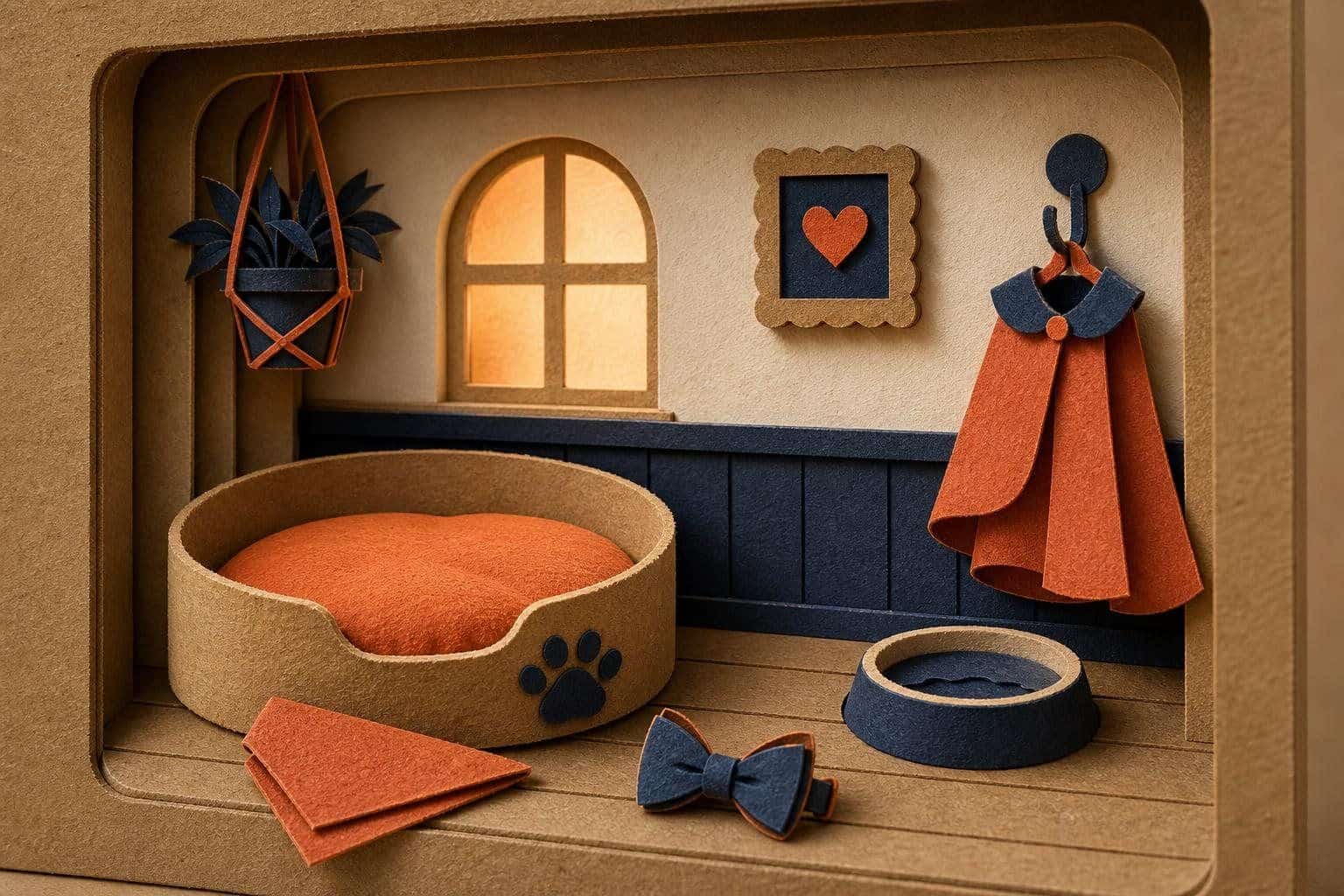
Pet costumes can be charming, but the best ones are the ones the animal barely notices. A dog in a soft bandana and a cat sitting calmly beside a decorated box are far better photographs than a struggling pet in a tight outfit. This page covers which pets cope with costumes, the safety rules that matter most, and simple pet costume ideas you can make at home for dogs and cats.
Safety first: the rules that matter most
Veterinary advice on pet outfits is consistent. Guidance published by the American Veterinary Medical Association says costumes should fit properly, be comfortable, avoid pieces that can be chewed off, and never interfere with a pet’s sight, hearing, breathing, ability to open the mouth or movement. The ASPCA gives the same advice. Turn that into a checklist.
- Never cover the face or eyes. No masks, no hoods that fall forward, no hats pulled down. A pet that cannot see, or cannot breathe freely through the nose and mouth, panics.
- Do not restrict movement. The pet must be able to walk, sit, lie down, turn the head, pant, bark, drink and relieve itself normally. Check the legs, neck and tail.
- No small detachable parts. Buttons, bells, beads, sequins, loose ribbons, elastic cord and glued-on trims can be chewed off and swallowed, which can lead to choking or a blocked gut.
- Do a fit and comfort trial. Try the outfit days ahead for a few minutes at a time, in a calm room, with treats and praise.
- Supervise the whole time. Never leave a dressed pet alone, even for a minute. A costume can catch on furniture or be chewed.
- Remove it at once if the pet shows stress. Signs include freezing, flattened ears, tucked tail, hiding, panting, drooling, shaking, trying to bite or scratch it off, or refusing treats.
- Keep it cool and dry. Heavy fabrics trap heat, especially for flat-faced dogs, so choose light, breathable cloth, and take it off if the pet pants.
- Keep it short. A few minutes for photos is plenty.
If you only remember one thing: the costume is for you, and the pet is a guest. If the pet is unhappy, stop.
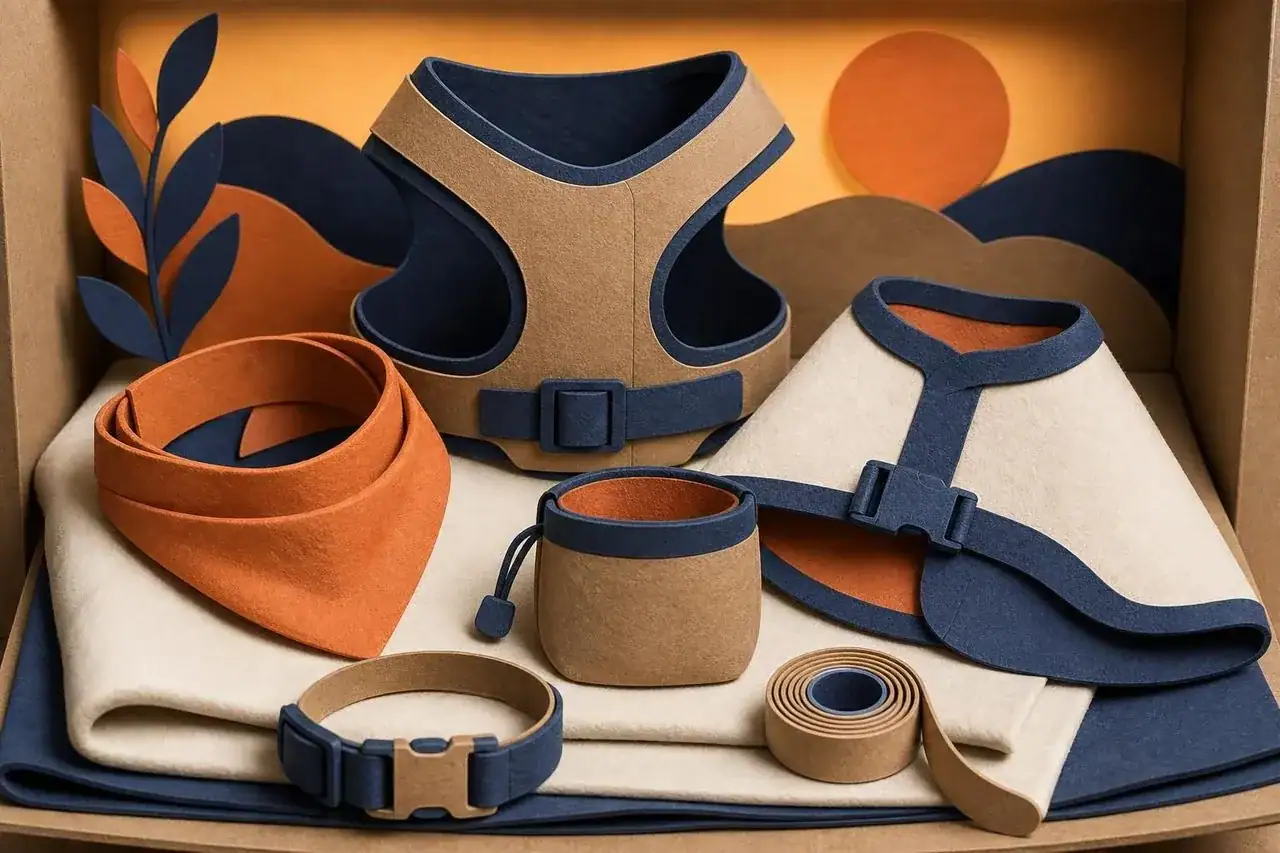
Which pets tolerate costumes, and which do not
Dogs are the most likely to accept clothing, especially calm, well-socialized dogs that are used to a harness or a coat. Even then, personality matters. Some dogs love the attention, others freeze. Start with a bandana.
Cats vary widely. Many dislike anything on their bodies and will freeze, flop over or bolt. A light collar accessory with a safety-release (breakaway) clasp is the most you should try, and only if your cat is relaxed about it. Many cats are happier with a costume for the setting, such as a decorated box.
Rabbits, guinea pigs, hamsters and other small mammals, birds and reptiles are easily stressed by handling and restraint, and clothing can overheat them or interfere with breathing and movement. Most vets advise against dressing them. Photograph them next to props instead. If you are unsure about a particular animal, ask your vet.
Puppies, older pets, animals recovering from illness and anxious animals are best left in their usual collars.
Simple costume ideas for dogs
These ideas sit on the back or collar and leave the face, legs and tail free. Try each on a calm dog for a minute or two before the event.
Pumpkin bandana. An orange triangle of cotton with a few stitched or fabric-glued black felt shapes, folded loosely over the collar. The sell is the color. It takes ten minutes.
Bow-tie gentleman. A small fabric bow tie slipped onto the collar with a hook-and-loop strip. Make it from a rectangle of cotton, pinched in the middle with a tight wrap of thread. Keep the knot flat and stitch it firmly.
Superhero cape. A short, lightweight cape that sits on the shoulders and ends above the back legs, held with a soft loop around the chest that releases easily. A plain fabric emblem stitched on makes it read at a glance. See the no-sew cape guide for the basic shape, then shorten it so it cannot trail or tangle.
Hot-dog look-alike. A tan fleece sleeve for the body with a strip of red felt for the sausage line, fitted loosely with a Velcro belly strap. Check the dog can sit and squat freely. Skip it for dogs that overheat.
Sheriff bandana. A red or blue paisley-style bandana with a plain felt star stitched on. Make a simple star with no real badge shape, so it is clearly a toy.
Tutu skirt. A short tulle skirt on an elastic waistband that does not squeeze, for a small dog that enjoys wearing it. Use plain tulle, not decorated with beads.
Simple costume ideas for cats
Only try these if your cat is relaxed, and stop quickly.
Breakaway bow collar. A light fabric bow on a safety-release collar that comes undone if it catches. Short and flat, never dangling.
Box-and-bandana pairing. Skip the clothing and dress the space: a decorated cardboard box as a spaceship, a castle or a pirate ship, with a small bandana if the cat tolerates one. Often the most successful cat costume.
Pumpkin patch photo. Place the cat on a blanket among a few real pumpkins and cut-paper leaves, with no dressing needed at all.
How to choose
Look at your pet first. A confident dog that wears a harness every day is a different case from a nervous cat. Then pick the lightest option that gets the look: a bandana before a cape, a cape before a full outfit. Choose soft, breathable cotton or fleece, with seams that do not rub, and measure the chest, neck and length so nothing is tight. If something is a little loose, it is usually safer than something that is a little tight, as long as nothing can trail underfoot.
Training for a first fitting
A good fitting is boring. Pick a quiet moment after a walk, when the pet is relaxed. Show the item, let the pet sniff it, and give a treat. Lay it on the back for a second, treat, and take it off. Repeat over several days, adding a few seconds each time and fastening one strap only at the end. Keep your voice calm. If the pet backs away, goes stiff or stops taking treats, you have gone too fast, so return to the last easy step or drop the idea. Some dogs come to enjoy a bandana once it predicts treats. A cat that still dislikes it after a couple of tries is giving you a clear answer.
Making a pet costume at home
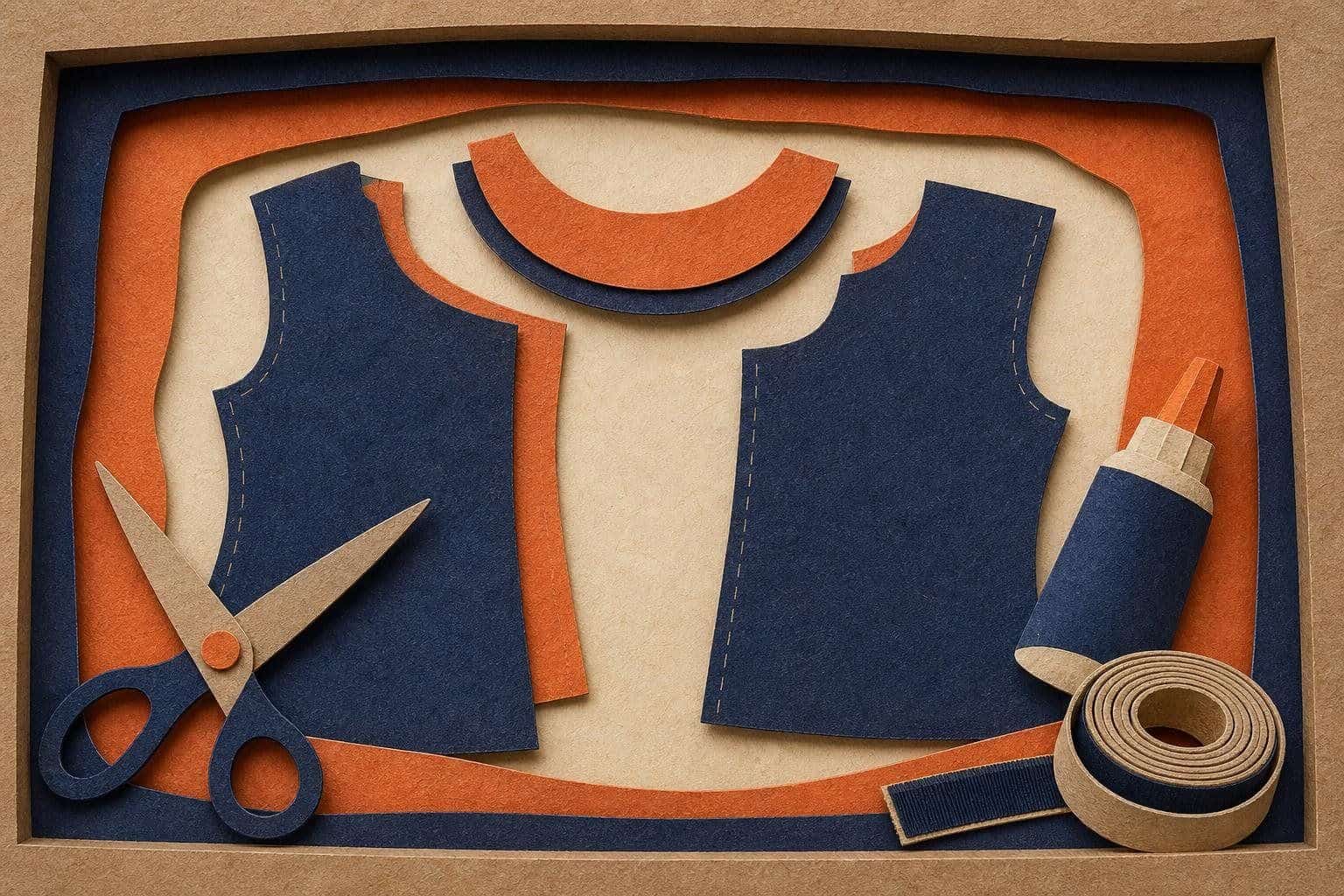
Cut and sew in simple shapes, and use a pattern that you can adjust by trying it on the pet. Stitch trims firmly or leave them out, and wash fabric before use. Skip glue gun decorations that could come off. Avoid felt-tip dyes and paint on the pet itself. For human accessories to go with your pet’s outfit, such as matching hats or scarves, see costume accessories.
Common mistakes
- Guessing the size. Measure the chest at its widest point, the neck and the back length from collar to tail base, and compare with the fabric before cutting.
- Starting on the day. A pet meeting a costume for the first time at a party, with noise and visitors, will almost always dislike it.
- Using the owner’s idea of cute. Pets give clear signals. Take them seriously.
- Adding dangling extras. Tassels, ribbons and pom-poms look sweet and get swallowed.
- Forgetting the lead. A harness and lead must still work, so the costume must not cover the clip point or tangle in it.
- Ignoring weather. Warm outfits on warm days make a pet overheat, and a thin cape on a cold night does no good. Choose by temperature.
Costume-free ways to celebrate with a pet
If your pet says no, there are plenty of ways to include it. Decorate a bed or a corner with a paper garland and a few cut-paper leaves. Take photographs next to a handmade prop, such as a cardboard moon or a small pile of pumpkins. Give a seasonal treat suited to the animal, checked with your vet, and keep chocolate, raisins, grapes, onions and xylitol sweeteners well out of reach, as these are widely listed as unsafe for dogs. Keep costume parts and decorations out of paw range afterward too, and do not place candles where a tail can sweep them.
Humans and pets together
Matching costumes are fun. A person as a gardener and a dog as a pumpkin, a person as a wizard with a cat in a decorated box: the pet still only wears something minimal. For more ideas on the human half, browse animal costume ideas or funny costume ideas.
After the photo
Take the costume off straight away, give a treat and some quiet time, and check the skin underneath for redness or rubbing. Store small trims away from pets. Wash the fabric so it smells neutral for next time. If a pet disliked it, accept that and try something different, or nothing. The costume safety guide covers broader safety checks for costume nights, including candles, masks and small parts.
Questions people ask
Is it safe to put a costume on a dog or cat?
How do I know if my pet hates its costume?
What is the safest type of costume for a dog?
Can cats wear costumes?
How long can a pet stay in a costume?
Should I put a costume on a rabbit, bird, reptile or small rodent?
How do I get a pet used to wearing a costume?
What materials should I avoid for pet costumes?
Can I use human face paint or makeup on a pet?
What are good last-minute costume ideas for a dog?
Keep going