Costumes by decade, 1920s to 1990s
Decade costumes from the 1920s to the 1990s: the recognizable fashion signatures of each era, 16 looks and easy builds from clothes you may already own.
Decade costumes are the easiest way to time-travel for an evening: a few recognizable fashion signatures are enough to place the wearer in a certain era. This page gives sixteen looks from the 1920s to the 1990s, using only the details most people agree define each decade, along with building tips from clothes you may already own. For wider eras beyond the twentieth century, the historical costume ideas page is a good next step.
How to read a decade
A decade look is made from three things: a silhouette, a few colors or prints, and one or two accessories. Get the silhouette right, such as a straight dress or a full skirt, and the outfit reads from across the room. Then add the one accessory that people connect to the era, a cloche hat or a pair of leg warmers. Pick details that belong together, and skip anything modern that shows, because a modern watch breaks the illusion in photographs.
The 1920s

1. The flapper. A straight, drop-waist dress, long strands of beads, a feathered headband and a short bob. The selling element is the fringe: sew or glue strips of fabric to the hem, or layer fringe trim across the skirt. Easy to dance in.

2. The jazz-era gentleman. A suit with wide trousers, a vest, a bow tie and a fedora or flat cap. Add suspenders and a pocket handkerchief. A cap pulled low suggests a newspaper seller.

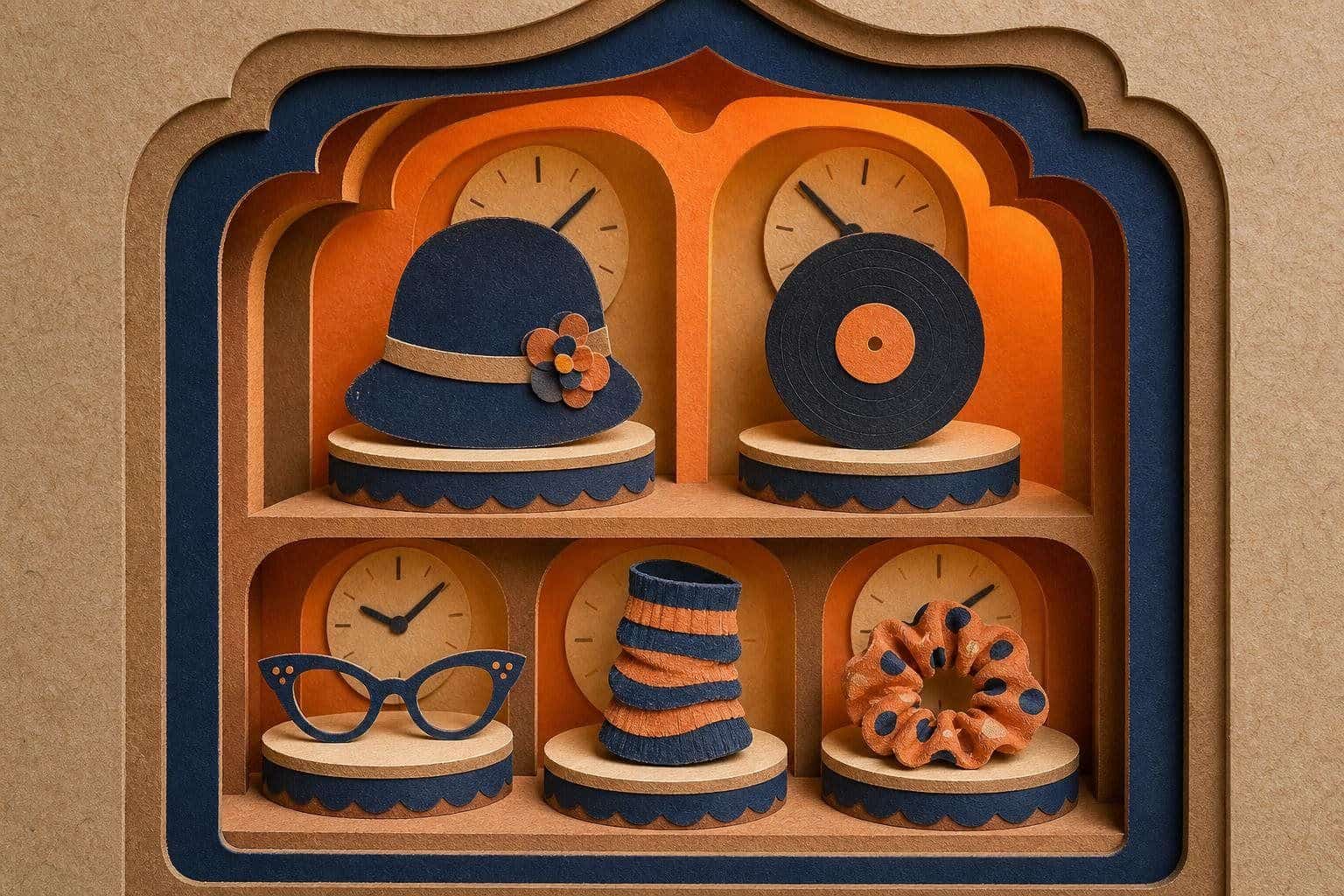
3. The cloche look. A bell-shaped hat pulled down close to the eyebrows. Make it from felt on a card form, or a stretchy bell shape from a thin knitted beanie with a brim sewn on.
The 1950s

4. The poodle-skirt girl. A full circle skirt, a fitted top, a neck scarf and saddle shoes, with a high ponytail. A circle skirt is made from one large circle of fabric with a waist hole, and needs little sewing. Add a felt poodle appliqué for the well-known look.

5. The greaser. A white t-shirt, jeans with turned-up cuffs, a leather or dark jacket and combed-back hair. Roll the cuffs two or three turns for the right shape.

6. The diner server. A knee-length dress with an apron and a paper hat, with a pad and pencil. A fun alternative with a defined job.
The 1960s

7. The mod. A short shift dress in a bold geometric print, tall boots and a straight bob with a fringe. Black-and-white patterns make a strong, quick statement. Cut the pattern from felt shapes if you have no printed fabric.

8. The hippie. Bell-bottom trousers, tie-dye or a loose peasant top, a fringed vest, a headband and long hair with flowers. Tie-dye is easy at home, but wear gloves and protect surfaces.

9. The go-go dancer. A short skirt, white boots and a wide headband. A good match for the mod look.
The 1970s

10. The disco dancer. A shiny shirt with a wide collar open at the chest, or a sequined jumpsuit, with platform shoes and flared trousers. The wide collar sells it. Choose shoes you can dance in, and pad the soles.

11. The seventies casual. A wide-collar shirt in earth tones, flared jeans and a feathered haircut. Orange, brown and mustard shades suit the decade.
The 1980s

12. The aerobics fan. Leggings, a leotard or bright top, leg warmers, a headband and wristbands. The leg warmers are the signature. Cut them from the sleeves of an old sweater if you have none.
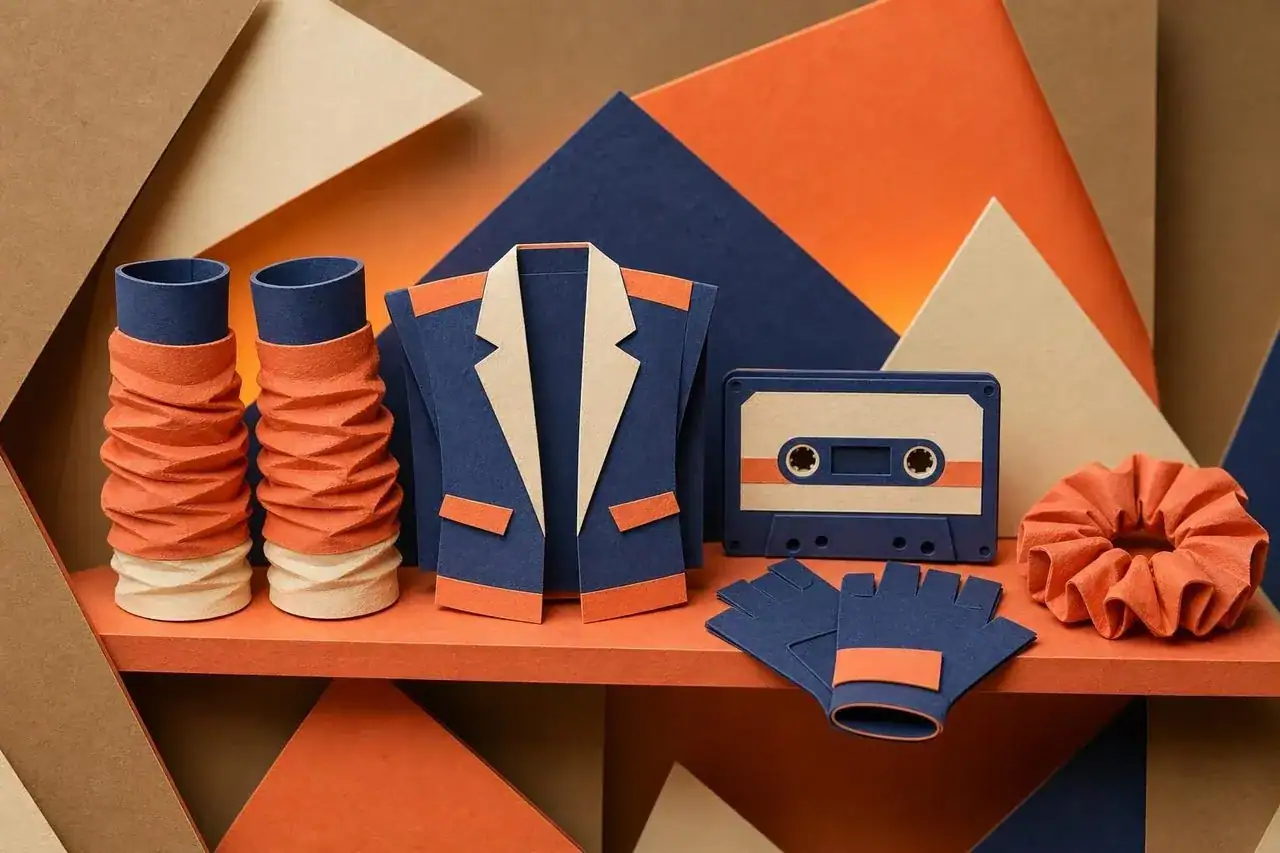

13. The neon pop star. An off-the-shoulder top, a bright jacket with shoulder pads, fingerless gloves and a side ponytail tied with a scrunchie. Add as many bangles as you like.

14. The denim kid. Acid-wash style jeans or a jean jacket, a graphic tee and high-top sneakers. Make acid-wash look with diluted bleach only if an adult handles it outdoors, with gloves, and test on one garment first.
The 1990s

15. The grunge look. A flannel shirt tied or worn over a plain tee, baggy jeans or ripped jeans and boots. Wrap the flannel round the waist as a signature. A beanie finishes it.

16. The nineties kid. A bucket hat, an oversized tee, a choker necklace, butterfly clips or scrunchies, and chunky sneakers. Pick one style lane and commit, since the decade had several.
Quick swaps by decade
If time is short, one swap per decade does most of the work. For the 1920s, add a long bead necklace and a headband. For the 1950s, swap trousers for a full skirt or roll up jeans cuffs. For the 1960s, choose bold black-and-white geometric shapes or tie-dye. For the 1970s, put on flared trousers and a wide collar. For the 1980s, add leg warmers or a side ponytail. For the 1990s, tie a flannel shirt round the waist. Pair a hair change with each swap, since hairstyle is often the strongest signal of an era.
How to choose
Choose by how recognizable the decade is and how comfortable the clothes will be. The 80s and 90s often need only a few pieces from a normal wardrobe, while the 20s and 50s need a dress or a hat. Choose a decade that suits the setting: a dance party suits the 70s or 50s, a school day suits a 90s look. For groups, give each person a decade and hold a parade. For makeup in each era, see the costume makeup guide, and for hats, wigs and props see costume accessories. More adult looks are on the adult costumes page, and funny alternatives on funny costumes.
Comfort and safety notes
- Check that long dresses, scarves and beads cannot catch on doors, chairs or furniture, and keep strings of beads breakaway for children.
- Platform and heeled shoes need practice. Walk in them before the event and carry flat shoes.
- Tie-dye and fabric dye can stain skin and clothes. Wear gloves and work on a covered surface.
- Use only products labeled for skin on the face, patch test first and keep makeup away from the eyes.
- Backcombed or sprayed hair should be kept away from candles and open flames.
The costume ideas guide lists more themes to try.
Questions people ask
What is the easiest decade costume to make?
What defines 1920s fashion?
How do I make a 1920s flapper dress at home?
What are the signatures of 1950s costumes?
What do people wear for a 1960s costume?
What defines 1970s fashion?
How do I dress as the 1980s?
What is the 1990s costume look?
Can I wear modern clothes for a decade costume?
How do I plan a decade-themed party?
Keep going