Superhero costume ideas
Superhero costumes you can make at home: 16 inspired-by looks with felt emblems, capes and masks, plus how to choose and keep kids safe in a cape.
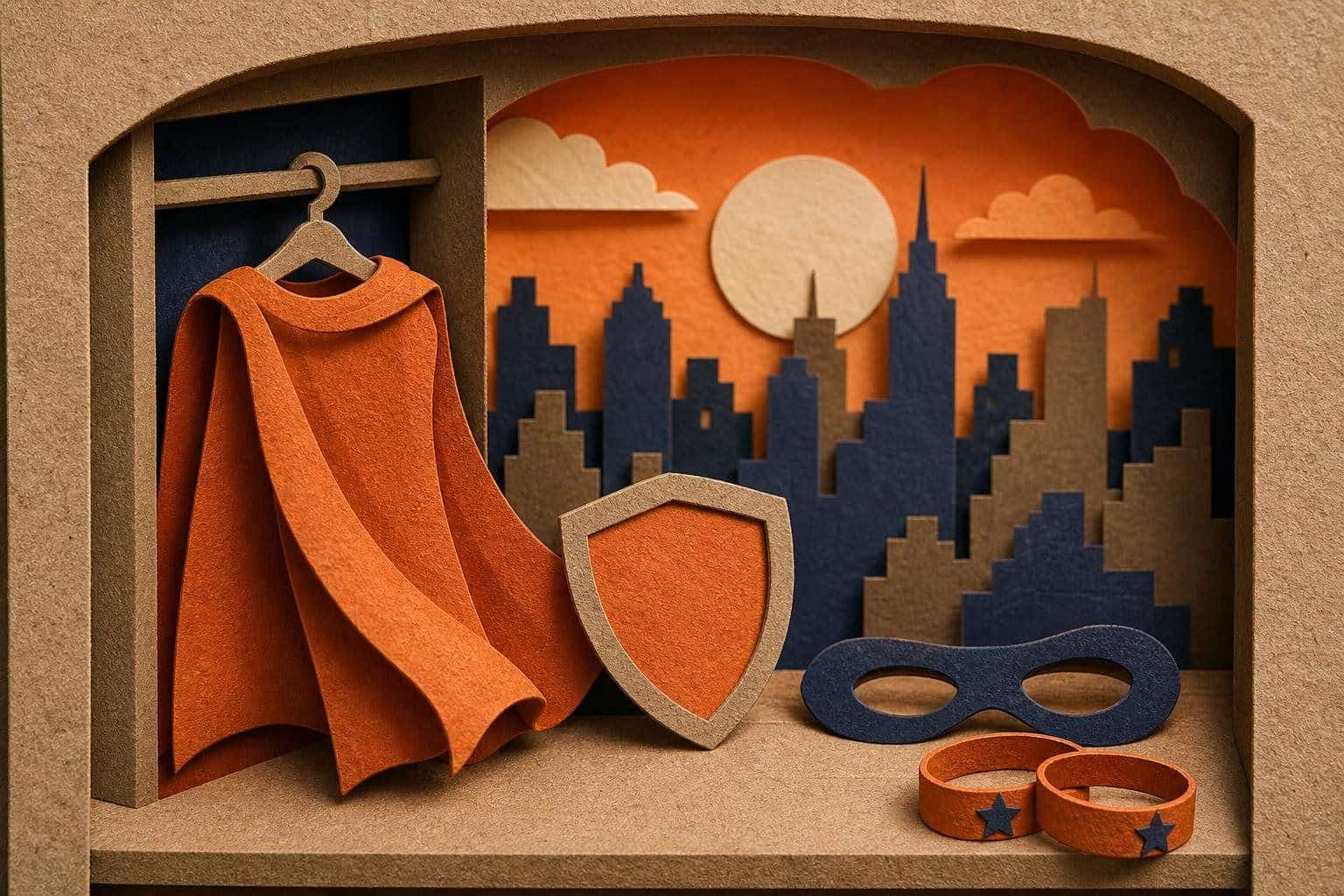
Superhero costumes are among the best ones to build at home, because the formula is simple: a bold color pair, a cape, a mask and an emblem. Everything here is described as inspiration for a home-made look. Nothing is an official product, and the emblems are generic shapes you design yourself. The sixteen ideas below range from toddler-friendly capes to adult everyday-hero outfits, followed by building notes and safety advice.
The four parts of a hero costume
Almost every superhero costume is made from the same parts, and thinking in parts makes building quicker.
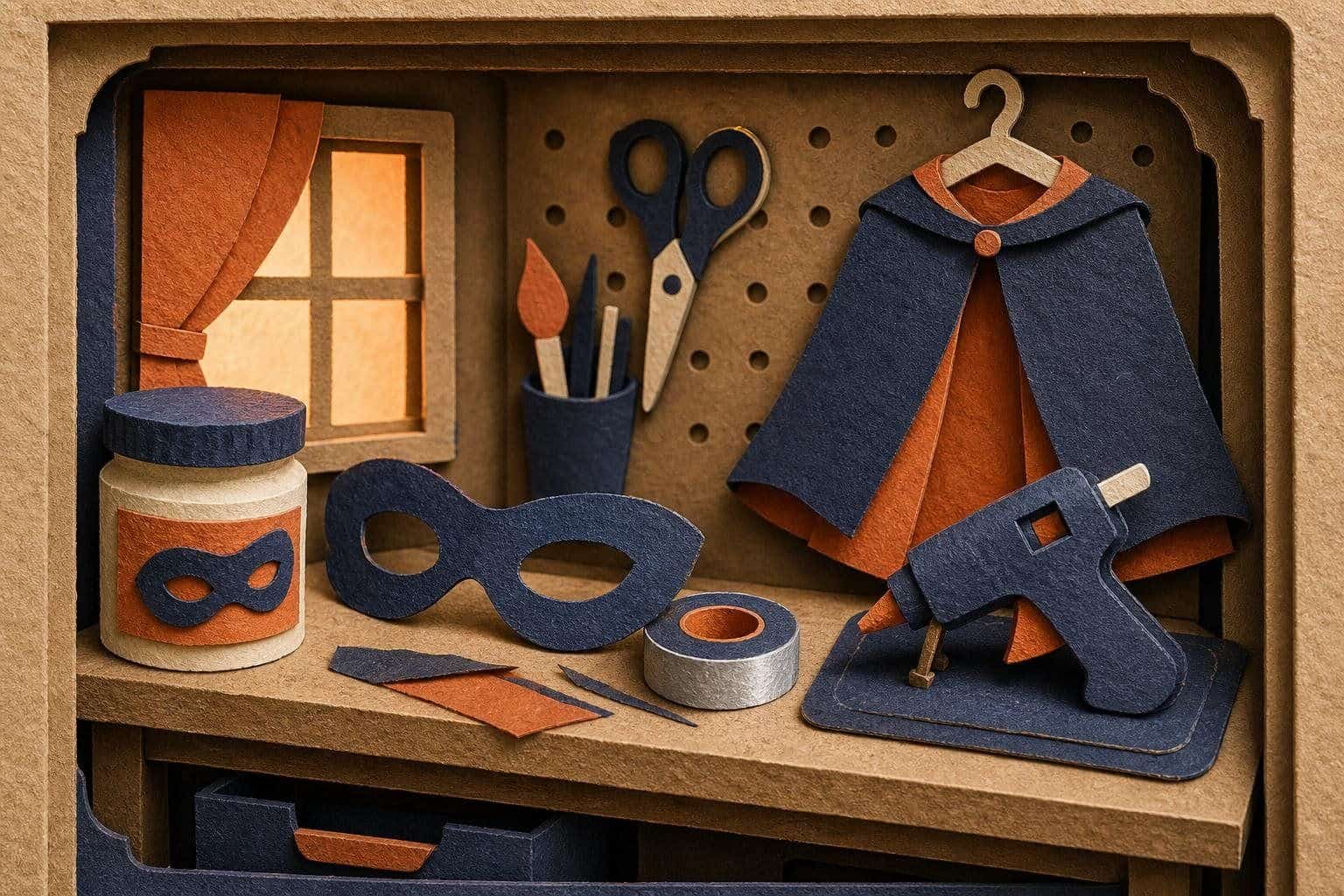
- The base. Leggings, joggers or plain trousers and a long-sleeved top in one or two colors. Sports clothes already in the closet are ideal.
- The cape. A rectangle or a trapezoid of lightweight fabric that hangs from the shoulders. The no-sew cape guide covers patterns and fastenings.
- The mask. A domino-style eye mask, a hood or a bandana. It hides nothing important if the eye holes are generous.
- The emblem. A shape on the chest or the back, such as a bolt, shield, star, flame or circle. It is the signature element, so make it big.
Add wristbands, a belt and boots, and the costume is complete.
Classic caped heroes

1. The caped flier. Blue top, red cape and a shield-shaped felt emblem. The selling element is a cape that moves, so choose a light fabric like satin lining or an old sheet. Fix it with hook-and-loop at the shoulders.

2. The dark vigilante. Black clothes, a gray vest and a dark hooded cape with a tapered edge. A simple emblem in yellow felt stands out on black. Keep the mask a domino, never a full-face cover for a child.

3. The speedster. A red or yellow top with a lightning-bolt emblem cut from felt and bolt shapes glued to the boots. Wearing running shoes completes the story.

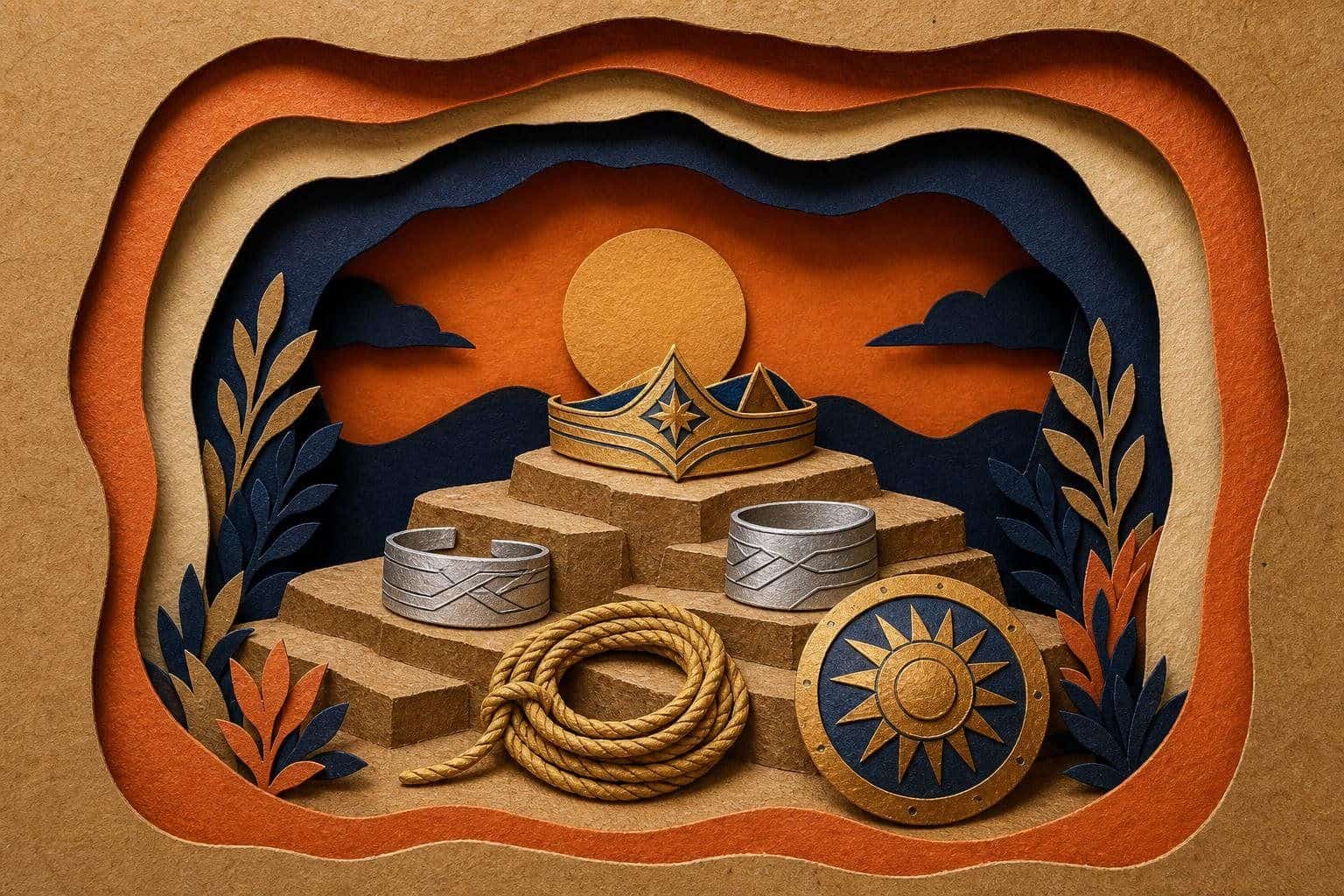
4. The warrior hero. A tunic over leggings, a gold felt belt, wristbands of craft foam and a cardboard shield. The Wonder Woman costume guide shows how to build this kind of armored look with simple materials.
Everyday and street-level heroes

5. The hooded night runner. A dark hoodie with a reflective strip on the back, jeans and a scarf over the lower face for cold weather only. Good for older children and teens.

6. The inventor hero. A lab coat, goggles pushed up on the forehead and a belt of cardboard gadgets. The gadget belt is the signature, which is just a row of painted tubes in pouches.

7. The sidekick. A shorter cape, a smaller emblem and a mask that matches the hero. A pair of children dressed as hero and sidekick makes a ready-made duo.

8. The retired hero. A gray cape, a faded emblem and a walking stick. It is a funny option for adults and costs almost nothing.
Elemental and nature heroes

9. The storm hero. Gray and silver layers, a cape of shiny gray fabric and zigzag bolts in white felt. A foil wristband catches the light.

10. The plant hero. Green top, leaf-shaped felt pieces layered on the shoulders and a vine of green ribbon wound around the arm. It reads as a gentle choice for children.

11. The ice hero. White and light blue, silver glitter on the emblem and a crystal-shaped cape clasp cut from clear plastic with rounded edges.

12. The fire hero. Orange, red and yellow felt flames sewn along the cape hem. Keep it clear of any real flame, and use only flame-retardant fabric if you need extra safety.
Original and group heroes

13. Your own hero. Pick a power, two colors and an emblem. Inventing a character means no trademark questions and a built-in story.

14. The team. Several heroes with matching capes in different colors and different emblems. A paper banner with a team name finishes it.

15. The pet sidekick. A small cape for a dog should be loose, light and removed if the animal is bothered. The pet costume ideas cover safe options.

16. The family of heroes. Parents in dark jackets with a shared emblem and children in bright capes. It is easy to scale across ages.
Making felt emblems
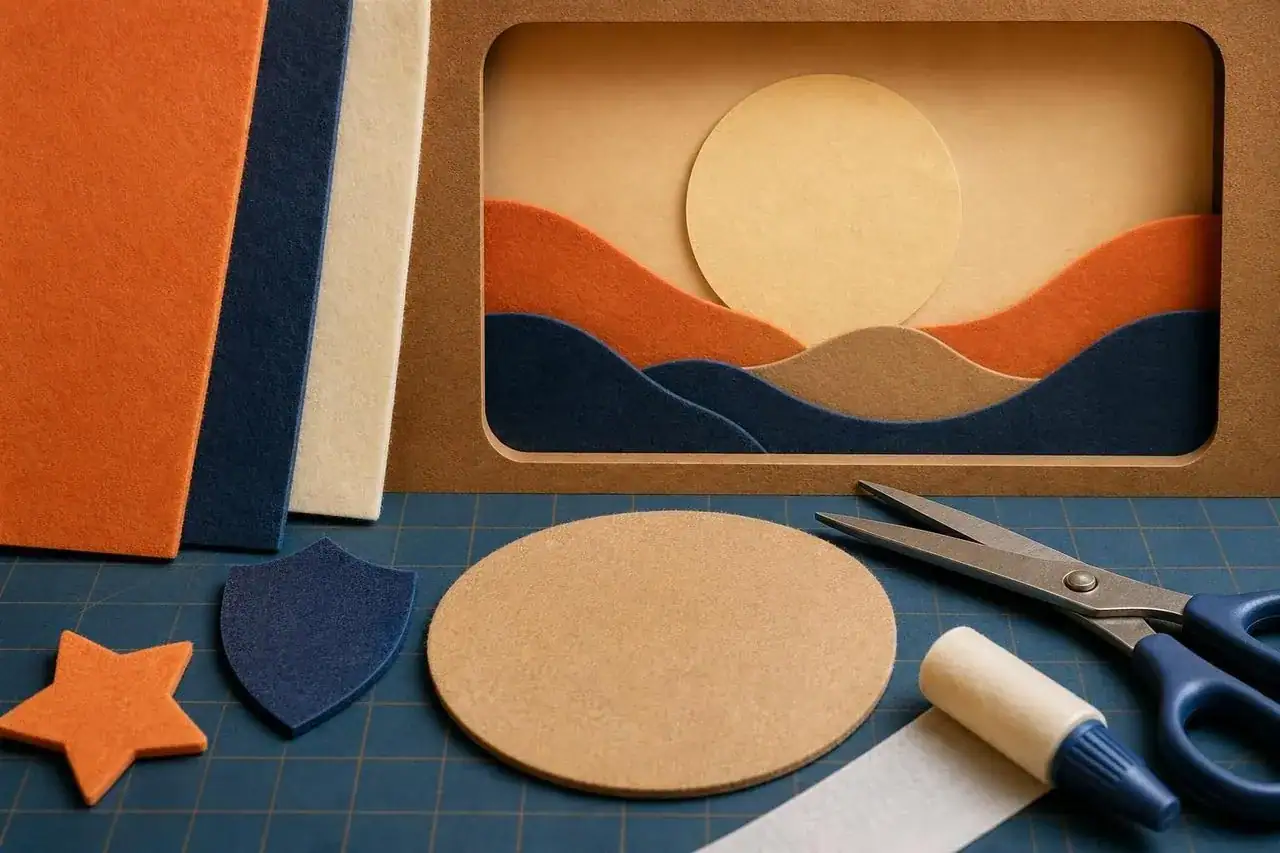
Felt is the best material because it does not fray, so no hemming is needed. Draw the shape on paper first, cut it as a template, trace it on felt and cut. For a layered look, cut a larger shape in a contrasting color and glue a smaller one on top. Apply fabric glue in thin dots, press and let it cure. For a washable shirt, use iron-on adhesive web and sew a running stitch around the edge.
Do not copy a famous logo, and avoid exact trademarked words. A made-up symbol is more fun and avoids any impression of an official product.
How to choose
Choose by who wears it and how long. Toddlers do best with a short cape and a hat or headband, not a mask. School-age children want a recognizable emblem and a cape that flies. Teens and adults often prefer a look built from regular clothes with one strong hero detail. If the wearer will run, cycle or dance, shorten the cape and use hook-and-loop closures. For ideas outside the hero world, try the space and sci-fi costume ideas or look at more age-based projects in kids costumes. The costume ideas guide lists every theme.
Safety notes for capes and masks
- Capes fasten loosely with hook-and-loop or a bow that pulls free. Never use a tight knot, a chain or a cord at the neck.
- Keep the cape above the heels and take it off for playground equipment, bikes, scooters and escalators.
- A mask must leave eyes, nose and mouth clear. Cut eye holes larger than you think, and use face paint instead if the child resists.
- Do not allow children to jump from heights while wearing a cape. A cape does not slow a fall.
- Use only flame-resistant fabric near candles, and keep costumes away from open flames.
- Give small children props with no small parts, and let an adult handle hot glue.
More on makeup, masks and fabrics is in the costume safety guide.
Questions people ask
How do I make a superhero costume at home?
How can I make my own superhero without copying a real character?
Is a cape safe for a child?
What can I use for a superhero mask?
How do I attach an emblem to a shirt?
What is a good superhero costume for a shy child?
Can adults wear superhero costumes?
How do I make superhero wristbands and a belt?
What should a female superhero costume look like?
How do I make a group of superheroes?
Keep going