Mascot costumes guide: how to choose, make, wear and care for one
Mascot costumes guide: how to choose, make, wear and care for one, from types and fit to staying cool, performing, storage and a simple home build.
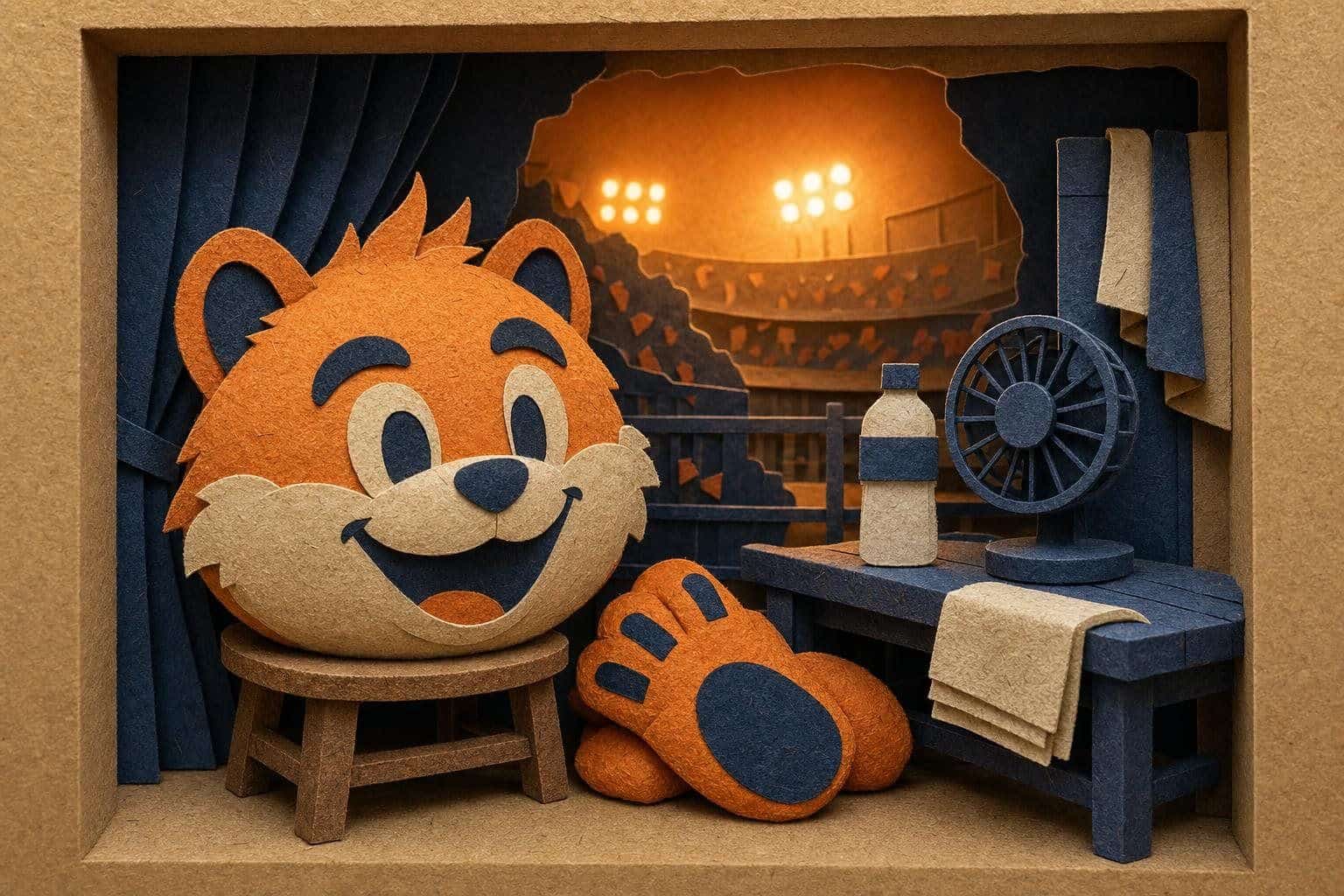
Mascot costumes are the oversized characters that cheer at games, greet children at school fairs and fill parades with color. This mascot costume guide explains what they are, how they are built, how to choose one, how to wear one safely, how to perform in it, how to care for it and how to make a simple version at home. It is written for anyone curious about what happens inside the big head, from parents and teachers to performers and hobby makers.
What mascot costumes are and where they are used
A mascot is a character who represents a group: a sports team, a school, a business, a charity or an event. The costume is the physical form of that character, typically large, soft and bright, and designed to be seen across a crowd. Because the performer is hidden, the costume must do all the communicating through shape, color and movement.
Typical uses include:
- Sports teams. Characters entertain crowds between plays, pose for photos and lead cheers.
- Schools and colleges. A school mascot appears at assemblies, pep rallies, sports days and open houses.
- Businesses and brands. A character greets visitors at store openings, fairs and fundraisers.
- Events and festivals. Parades, charity runs and community days use mascots to draw attention and raise the mood.
- Education and health programs. Friendly characters can make a topic like road safety or handwashing easier for young children to engage with.
Some mascots are animals, others are objects or imaginary creatures. The animal category, bears in particular, is so common that it has its own page on bear mascots. A bear mascot costume is the classic starting point for schools and clubs, because the round head, small ears and simple muzzle read clearly from a distance.
How mascot costumes are built
Even though each costume has its own design, most share the same anatomy. Understanding it helps you judge a costume, repair one or plan your own.
The head
The head is the most complex part. The usual approach is a sculpted foam shell, carved from sheets or blocks of lightweight foam and then covered with fabric. The visible surface is often fleece, faux fur or plush. The inside may be lined with a smoother fabric and padded so the head sits on the wearer comfortably.
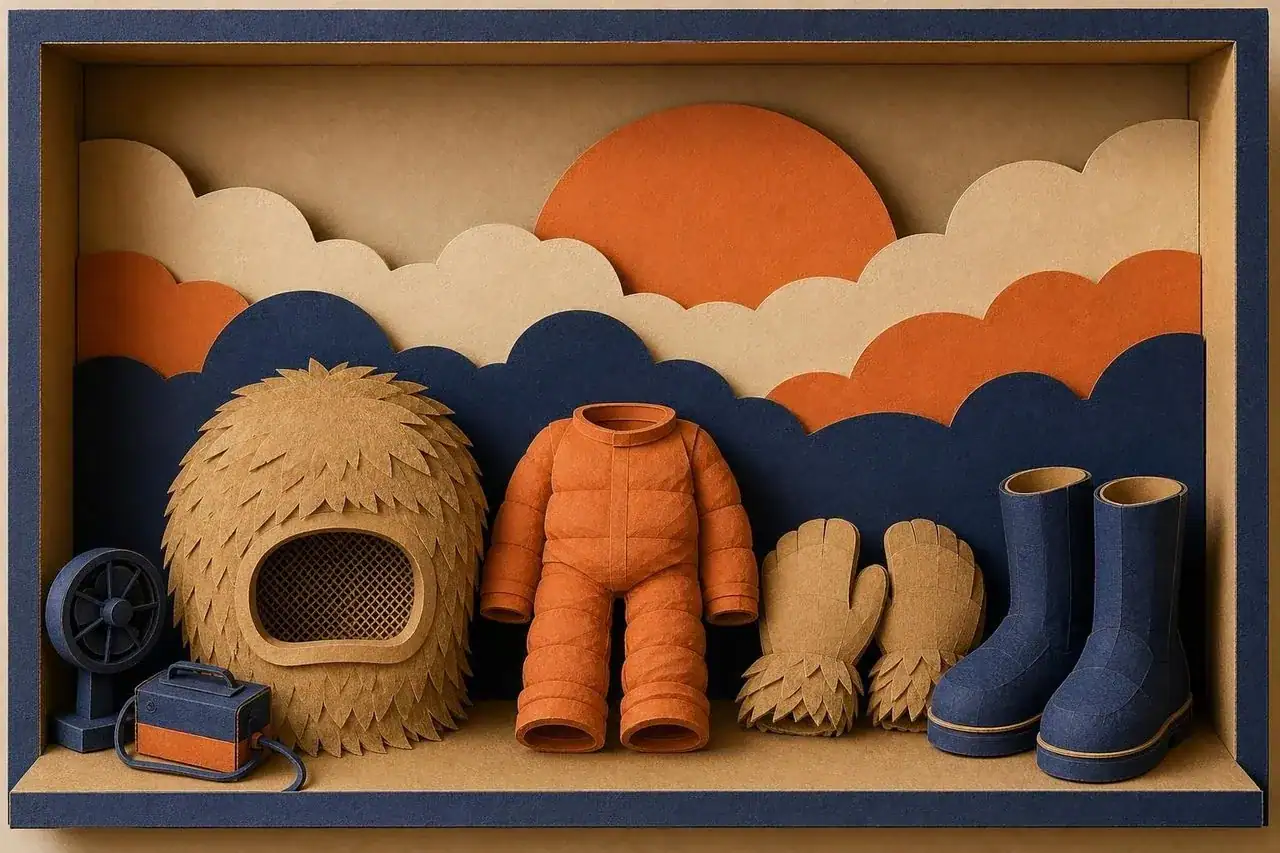
Features such as eyes, noses, ears and teeth are usually separate pieces attached to the shell. A good head is light for its size, balanced so it does not tip forward, and shaped so the wearer’s face has room to breathe.
The eyes and viewing area
The wearer sees through a covered opening. Commonly this is a piece of black mesh or fine netting set into the eyes, the mouth or the nose and painted or lined so it fades into the design. Eye mesh gives the best forward view, mouth mesh keeps the eyes fully expressive but lowers the viewpoint. Either way, visibility is limited, which affects everything from how you walk to how you interact with people.
Ventilation
Heat and carbon dioxide build up quickly in a closed head. Designers add small vents in places that do not spoil the look, such as under the chin, along the neck seam or inside the mouth. Some heads include a small battery fan or space for a cooling insert. Even so, a mascot head is hot, which is why safety guidance on breaks and hydration, covered below, is essential.
The frame and harness
Larger heads use an internal frame or a harness that moves some of the weight to the shoulders, so the neck does not carry all of it. Chin straps and a snug interior cap stop the head from shifting as the wearer moves. A head that wobbles or presses on the face is tiring and unsafe.
The body
Bodies range from a simple jumpsuit with lightweight padding to a full padded suit with a belly, tail and layered limbs. Fabric choice affects both appearance and heat: faux fur looks great but traps warmth, while thinner knits breathe better. Zippers at the back or side with a hidden placket make the suit easier to get on and off.
Hands, feet and extras
Oversized gloves or paws, sometimes with extra padding to look exaggerated, sit on the wearer’s hands. Shoe covers or oversized feet go over regular shoes. Tails, wings and accessories complete the look. The accessories page on costume accessories explains how props, gloves and headwear are made and attached.
Types of mascot costumes and how to choose between them
How to choose a type depends on use, budget and comfort.
| Type | How it works | Best for | Drawbacks |
|---|---|---|---|
| Full-head costume | Oversized head on a body suit | Sports, schools, events | Hot, limited vision |
| Walk-around costume | Full-body suit with built-in structure | Parades, store events | Heavy, needs space to store |
| Inflatable costume | Fabric shell kept full by a small fan | Outdoor events, quick appearances | Needs power, can bounce in wind |
| Headpiece only | Character head with ordinary clothes | School plays, casual events | Less dramatic |
| Tabard or hooded costume | Fabric cover with a hood or a painted face | Children and community events | Simpler look |
Full-head and walk-around designs overlap, since both include a large head and body. The difference is mostly one of scale and construction: a walk-around often has more structure built into the body, such as padding for the character’s shape.
Inflatables have the opposite trade-offs. They are lightweight and compact, but they depend on a fan and a battery, and the wearer should know how to leave the suit quickly if the fan stops.
Fit and visibility
A mascot costume that does not fit becomes a safety problem as well as a comfort problem.
- Head fit. The head should rest on the shoulders or a harness, not on the face or the top of the skull. There should be space to breathe and a few inches of clearance between nose and foam.
- Body fit. The suit should allow free movement of arms, legs and torso. Test sitting, climbing a few steps and lifting both arms.
- Visibility. Check the view from inside. You should see the ground a couple of steps ahead and be able to turn your head without the mesh shifting. If you cannot, adjust the head’s position or ask for a different viewpoint.
- Shoes. Check grip. Oversized foot covers can slip on polished floors and wet grass.
- Hands. Make sure the gloves let you hold a bottle and a rail, and that nothing traps the fingers.
Visibility is why handlers matter, as explained below. Even with a good head, the wearer should treat crowds as obstacles and move slowly.
Heat and safety for the wearer
Heat is the main hazard. A person inside a mascot costume is wearing insulation, often in a warm venue, while exercising. The risk of overheating is real and can escalate quickly, so treat the following as basic rules, not optional extras.
Hydration and preparation
- Drink water before the appearance, not only during it.
- Eat something light beforehand and avoid heavy meals.
- Wear moisture-wicking underlayers. A thin athletic shirt and shorts work better than cotton.
- Consider a cooling vest or neck wrap in hot weather, and keep a towel and a fan nearby.
Breaks and time limits
- Plan short stints with regular breaks. Many performers work in blocks of roughly 15 to 20 minutes in warm conditions, with the head off and a drink between them. Adjust shorter for hotter or humid weather.
- Take breaks out of sight, in a cool or shaded place, and let the body cool before putting the costume back on.
- Skip or shorten outdoor appearances in extreme heat.
Warning signs
Stop immediately and remove the head if you feel dizzy, light-headed, nauseous, unusually tired or weak, or if your skin feels cold and clammy. Tell the handler, move to a cool place, loosen the costume and sip water.
Confusion, fainting, or a very hot body with hot, red, dry or damp skin can mean heat stroke, which is an emergency. The handler should call 911 right away, move the performer to a cooler place, remove the head and any restrictive pieces and cool the performer with cool wet cloths until help arrives. Do not give a confused or unconscious person anything to drink.
Handlers
A handler is a second person who stays with the mascot. They guide the performer through crowds and over steps, clear the way, keep time, hold the water, watch for signs of overheating and manage interactions with fans, especially children. Never perform alone. A handler is not a luxury; it is part of safe practice.
General safety
- Keep tails, capes and long ears short enough to avoid tripping.
- Do not climb, run on stairs or dance on wet floors in oversized feet.
- Stay away from open flames, grills, candles and heaters, since foam and fleece can burn.
- Avoid driving while wearing the head or shoes.
For broader guidance on visibility, fire resistance and trip hazards, see the costume safety guide.
How to wear a mascot costume and perform in it
Anyone learning how to wear a mascot costume should treat the first outing as a rehearsal: short sessions, a spotter beside you and a plan for taking the head off quickly.
Performing is part theater, part sport. The character cannot speak, so the body does everything. Knowing how to wear a mascot costume well means dressing in layers, settling the head on the shoulders, and moving in a way that is bigger and slower than normal.
Movement
Think big and slow. Small gestures vanish inside a thick costume, so exaggerate. A wave should start from the shoulder, a nod should drop the whole head, a shrug should lift the shoulders. Keep your knees a little bent for balance, and use your whole body to express excitement or surprise.
Give the character a personality: bouncy, shy, proud, goofy. Choose one trait and keep to it, which helps people recognize the character in photos.
Communication
The performer cannot talk, so agree on signals with the handler: a tap on the arm to stop, a thumbs-up for fine, two taps for water, crossed arms for a break. The handler can talk to the crowd on the character’s behalf and explain what is allowed, such as hugs, photos or high-fives.
Interacting with children
Children react differently to a giant figure. Some run to hug, others cry. Crouch to their level, hold a hand out rather than looming, and let them approach. If a child seems scared, step back, wave from a distance and let the handler reassure the parent. Never chase a child or surprise them from behind.
Etiquette
- Stay in character and in costume where the public can see you. Never remove the head in front of an audience, particularly children, unless the wearer is unwell. If the performer feels ill, health comes first: the handler moves them out of sight if possible, and the head comes off at once if they cannot move.
- Do not speak out of costume, and do not break character to argue.
- Protect the costume from pulling, climbing and grabbing, and keep a polite distance from crowds.
- Keep hands to yourself and respect personal space.
- Follow the venue’s rules for photos, autographs and where to take breaks.
A mascot costumes guide to care, cleaning and storage
Mascot costumes are expensive in time and effort, and they suffer from sweat, makeup and dust. Good care is a consistent routine, and it keeps them fresh for years.
After every use
- Take the costume off and let it air out. Turn removable pieces inside out.
- Wipe the inside of the head with a clean cloth and a mild, skin-safe disinfectant suitable for the fabric.
- Remove detachable liners, gloves and shoe covers and wash them according to their labels.
- Spot-clean the outside with a damp cloth, and brush faux fur with a soft brush.
- Let everything dry completely before storing it.
Deeper cleaning
Check the maker’s care label before washing anything. Foam does not like machines or heat, so spot-clean it. Use cool water and gentle detergents for fleece. Avoid dryers on high heat, which can melt glue and glue-based fabrics.
Storage
- Keep the costume in a dry, cool, ventilated place away from sunlight, which can fade fabric.
- Stuff the head loosely with acid-free paper or place it on a head form so it keeps its shape.
- Store the body in a breathable bag, not plastic, which can trap moisture.
- Keep gloves and shoe covers together in a labeled box.
- Check periodically for mildew, moths and loose seams, and repair them early with fabric glue or a few stitches.
Making a simple mascot costume at home
A full professional mascot is a specialist build, but a simplified version is a good craft project for a school play, a club event or a themed party. The goal here is a comfortable character with a clear view and plenty of air, not a stadium costume.
Materials
- A hooded sweatshirt or a lightweight hat as the base
- Craft foam, felt and fleece in the character’s colors
- Fabric glue or a low-temperature glue gun (adult handling)
- Elastic and safety pins
- A plain matching top and trousers
- Optional: mesh fabric for a small peeking window
Steps
- Choose a simple character. A bear, a lion or a cat has a round head and simple features, and a home-made bear mascot costume is the easiest of the three. Complex shapes and tall headpieces are harder to balance.
- Build the head base. Use the hood or hat as the base so weight sits on the head and shoulders. Never build a closed foam head for a child.
- Add ears and face. Cut ears from felt and stuff them lightly or back them with craft foam. Glue on a muzzle, eyes and nose from felt. Keep features flat and light.
- Leave the face open or use a face window. A wide opening around the face keeps the view clear and the air flowing. If you want a closed head for an adult, use mesh over the viewing area and test it in daylight.
- Make a body piece. A tabard cut from felt or fleece, with a round tummy patch, gives shape without bulk. Add a tail from stuffed fabric.
- Make paws. Sew or glue simple mitts from fleece, or skip them and wear matching gloves.
- Test. Walk, sit, climb stairs and raise your arms. Check that the costume stays on, you can see and you can breathe.
For an adult-sized cardboard-and-foam version or other crafts, the DIY costumes index lists guides with step-by-step builds that use many of the same techniques.
Common mistakes
- Making the head too heavy, which strains the neck.
- Covering the face with no vent or view.
- Using real fur or scratchy faux fur next to the skin.
- Forgetting a way to take the costume off quickly.
- Using small buttons or beads that could come loose and be swallowed by young children.
Designing a character that reads from far away
Good mascots are designed for distance. The audience may be fifty feet away in bad light, so the character has to be recognizable as a shape before any detail shows.
- Big, simple shapes. Round heads, large eyes and wide smiles carry across a room. Fine detail disappears.
- High contrast. Light muzzles against dark fur, bright belly patches and strongly colored accessories help the eye find the figure.
- A clear expression. A fixed smile is the norm because the face cannot change. Choose an expression that suits every moment, from cheering to waving goodbye.
- A memorable accessory. A scarf, a hat or a jersey gives the character something to carry its identity, and it can be swapped for different seasons or events.
- Room to move. A beautiful design that blocks the arms or makes sitting impossible will be a poor performer.
If you are working with a maker, bring reference pictures from several angles and tell them how the costume will be used. If you are building a simple one at home, test the design by looking at your sketch from across the room.
Repairs and troubleshooting
Mascot costumes take rough handling, and small problems are easier to fix early.
- Loose seams. Re-stitch with strong thread or reinforce with fabric glue before the seam splits further.
- Flattened fur. Brush faux fur gently with a soft brush, and steam lightly from a distance if the fabric allows.
- Shifting head. Add foam padding inside, tighten the chin strap or adjust the harness so the head sits steady.
- Fogging or sweat on the mesh. Wipe the mesh with a clean cloth between stints and keep a spare, dry insert if the design allows.
- Smell. Air the costume daily, wipe the inside with a mild disinfectant, and wash liners after every use. A small pouch of baking soda in storage can help.
- Worn shoe soles. Add non-slip pads to the base of oversized shoe covers, especially if the floor is smooth.
Keep a small repair kit in the costume bag: needle and thread, safety pins, fabric glue, spare elastic, a mini brush, a towel and spare batteries for any fan.
Renting versus owning
Costs and effort differ, and the right choice depends on how often you will use the costume.
| Factor | Renting | Owning |
|---|---|---|
| Best for | One-off events or a trial | Regular appearances |
| Upfront cost | Low | High |
| Customization | Limited | Full |
| Hygiene | Depends on the provider’s cleaning | Under your control |
| Storage | None needed | Space and care needed |
| Fit | Often one size | Can be tailored |
If you rent, ask how the costume is cleaned between hires, whether you can try the head on, how clear the view is, how long you can have it and what happens if it is damaged. If you own, plan for cleaning, storage and occasional repair. Commissioning a custom costume is a longer process, and a maker will often need photos and measurements.
Child-friendly mascot costumes
Children love dressing as mascots, but the safe version differs from the adult one.
- Use hoods, headbands and tabards, not large foam heads. Keep the face visible.
- Keep it light. A child’s neck is not designed to carry a heavy head.
- No small parts. Sew on eyes and noses firmly, or use felt rather than buttons.
- Short wear. Take breaks, drink water and remove the costume if the child gets hot.
- Adult supervision. An adult should stay close, especially around stairs, roads and crowds.
The kids’ costume ideas lists age-appropriate ideas, and the animal costume ideas page shows how to turn bears, lions, cats and other animals into simple, comfortable outfits that borrow the mascot look without the heat.
How to choose a mascot costume for your event
Before anything is built or hired, answer a few practical questions. They are the quickest way to work out how to choose a mascot costume that suits the audience, the venue and the person inside it.
- Who is the audience? Small children respond to soft, friendly characters, and a very large or fierce design may scare them.
- How long is the appearance? Short cameos suit a heavy costume, longer events call for lighter designs or rotating performers.
- Indoors or outdoors? Heat, wind and weather all change what is practical.
- Who is the performer? Height, strength and stamina matter. Two or more performers who share the role keep everyone safer.
- What does the character do? Waving, dancing and photos need different amounts of movement and visibility.
Write the answers down and use them to brief whoever builds or supplies the costume. A clear brief saves time and cuts the risk of a costume that looks great but cannot be worn comfortably. Once you have chosen, come back to the sections above on fit, heat and care, and use this mascot costume guide as a checklist before the first appearance.
In this guide
Questions people ask
What is a mascot costume?
How are mascot costumes made?
How does a person see out of a mascot head?
How hot does it get inside a mascot costume?
How long can someone safely wear a mascot costume?
Do mascots need a handler?
What are the main types of mascot costume?
What is an inflatable mascot costume?
How do you perform in a mascot costume?
How should I clean a mascot costume?
How do I store a mascot head?
Can I make a simple mascot costume at home?
Is it better to rent or own a mascot costume?
Are mascot costumes safe for children to wear?
What should a mascot wear underneath the costume?
What is the etiquette for mascot appearances?
Keep going