Renaissance costumes, layer by layer
Renaissance costumes layer by layer for men, women and children: chemise, bodice, doublet, hose, hats and shoes, plus faire etiquette and budget builds.
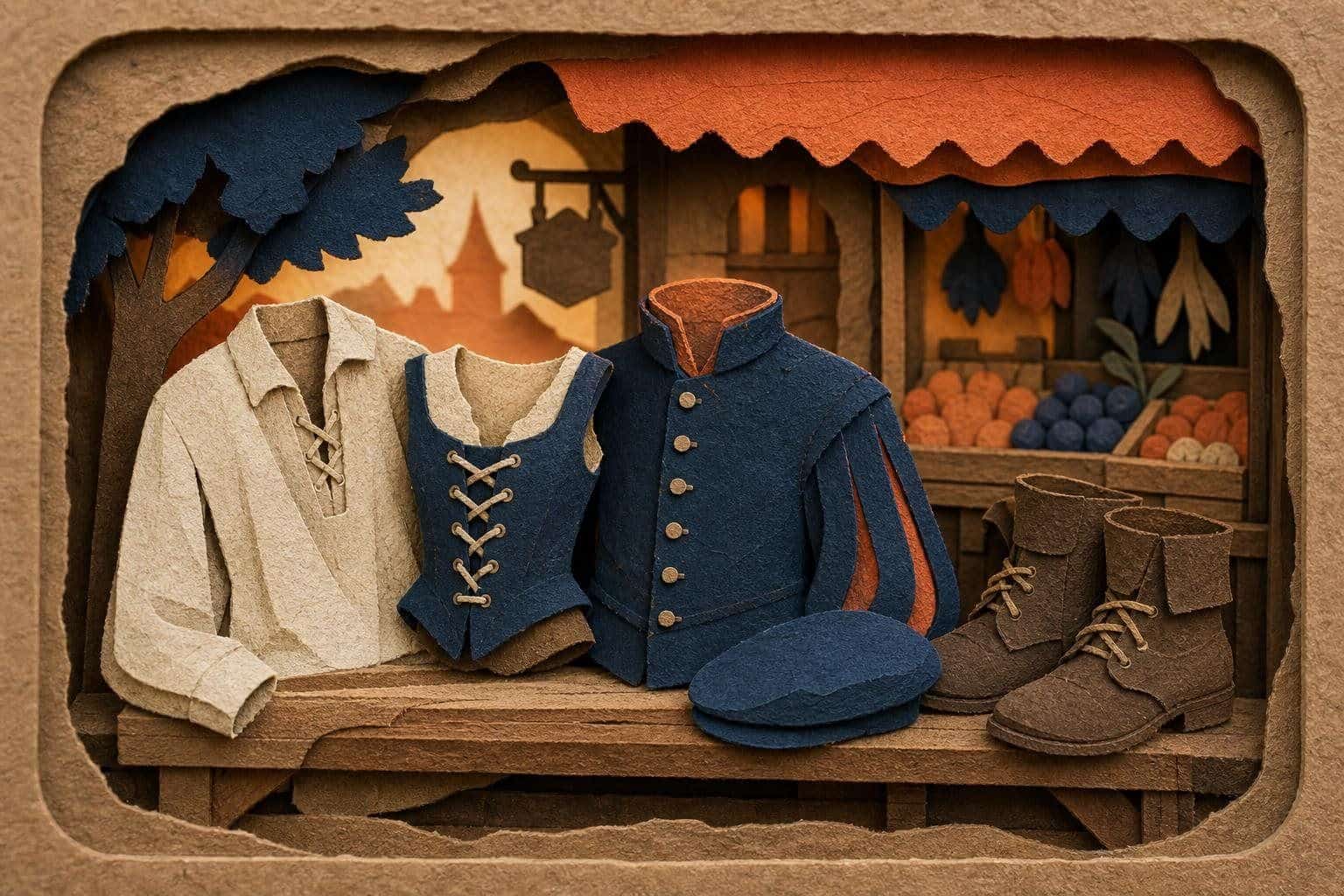
Renaissance costumes are built in layers, like the real clothing was: an undershirt next to the skin, a fitted layer over it, a skirt or breeches, a hat and shoes. This guide goes layer by layer for men, women and children, explains what people actually wore, what a faire expects and tolerates, and how to build a comfortable first outfit on a small budget.
Faire dress is a mix of history and fantasy. You can go as precise as you like, or take the shapes and have fun. The first-timer’s kit below is enough for a full day.
What people actually wore
Clothing in the renaissance period varied by country, year and wealth, so no single outfit is the right one. Some features show up again and again.
- An undershirt. Men and women wore a linen shirt or chemise next to the skin. It was the layer that got washed, and it protected the outer clothes from sweat.
- Fitted layers. Women wore a fitted bodice or kirtle over the chemise, with skirts over it. Men wore a doublet, a close-fitting jacket that tied or buttoned, often over a shirt.
- Legwear. Men wore hose, and later breeches or trunk hose. Women wore stockings under long skirts.
- Hats. Caps, hats and headdresses were common for most people. Different styles marked region and status.
- Wool and linen. Most everyday clothes were wool or linen. Rich people wore silk, velvet and fine embroidery.
Because the details depend on place and decade, a clear approach is to pick one country and one period, such as England in the sixteenth century, if you want accuracy. If you want a fun faire look, mix freely. For wider background, see the historical costume ideas and the costume history guide.
Layer by layer for women
- Chemise. A loose linen or cotton shirt with long sleeves and a wide neckline. It is the foundation and keeps heat and sweat off the outer layers.
- Bodice or corset. A fitted laced vest that shapes the torso. Front-lacing is easiest to put on alone. Make sure you can breathe, sit and bend.
- Skirt or skirts. One or two full skirts, ankle-length or just above, worn at the waist. A second skirt can be tucked up for walking.
- Accessories. A belt, a pouch, a cloak or shawl and a hat, cap or flower crown.
- Shoes. Flat boots or leather shoes.
Layer by layer for men
- Shirt. A loose linen or cotton shirt with full sleeves, tied at the neck.
- Doublet, vest or jerkin. A close jacket or a sleeveless vest in wool, leather-look fabric or heavy cotton. In hot weather, a vest alone is enough.
- Trousers, breeches or hose. Full, loose trousers tucked into boots, or knee-length breeches with stockings.
- Belt and pouch. Carry your phone, money and keys here.
- Hat and boots. A flat cap, a brimmed hat or a felt hat, and flat boots.
Layer by layer for children
Children need freedom more than accuracy. Use:
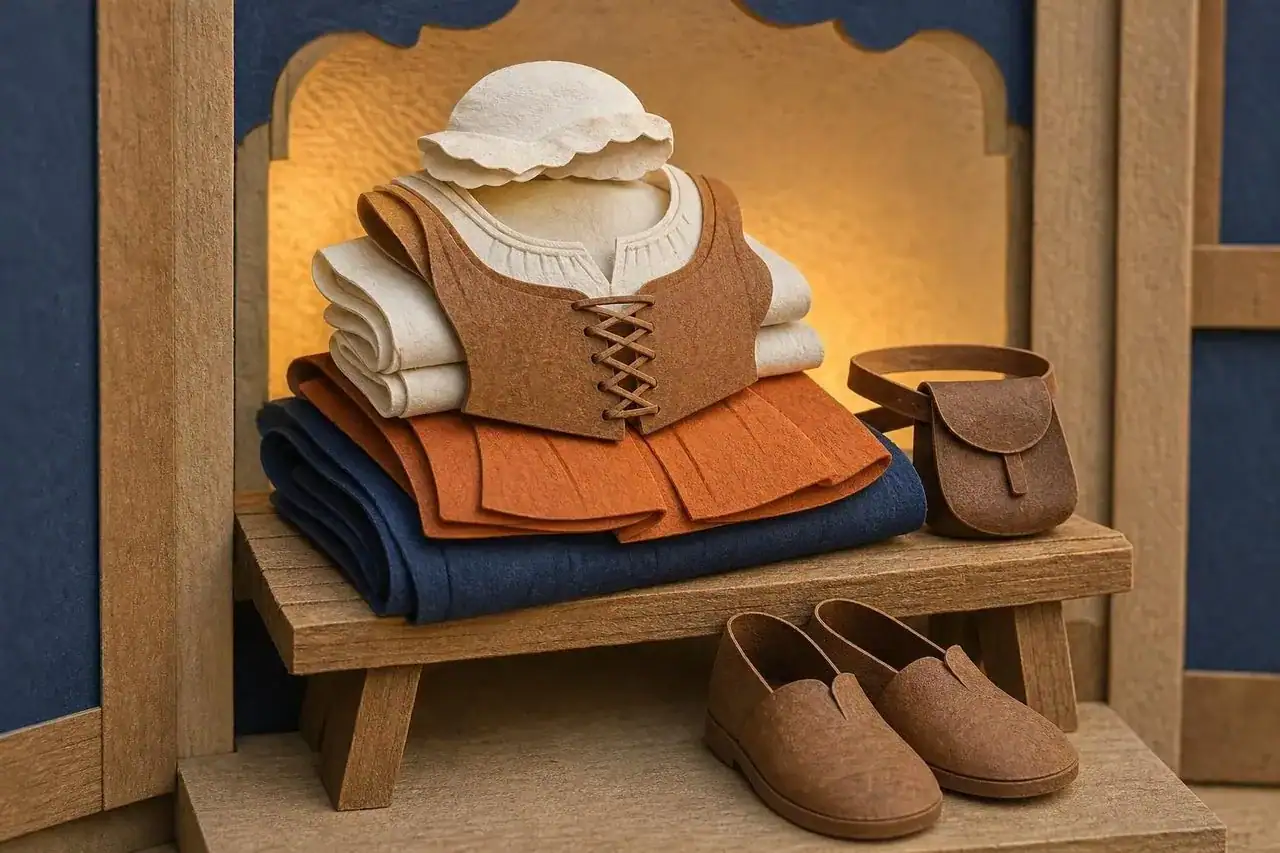
- A loose tunic or shirt belted at the waist
- Trousers or a long skirt hemmed above the ankle to avoid tripping
- A soft cap, a flower crown or a simple felt hat
- Comfortable flat shoes or boots
- A small pouch for water and snacks
For young knights, a cardboard knight costume is a good add-on, as long as the faire allows prop weapons and the pieces are light.
What faires expect and tolerate
Faires vary, so check each event’s website. In general:
- Costumes are welcome but not required.
- Many visitors mix periods, and a pirate, an elf or a wizard may stand beside a tavern wench or a lord.
- Some faires have rules about real blades, large wings, modern-looking props and face coverings.
- Visitors are expected to be safe in crowds, so long trains, swords and big props need care.
- Modern items such as phones and sunglasses are common, and are usually fine if you are not in a performance.
First-timer’s kit
A short, practical list:
- A loose white shirt or chemise
- Full trousers or a long skirt
- A vest, bodice or tunic
- A belt and pouch
- Flat, broken-in boots or shoes
- A hat with a brim
- Water bottle and sunscreen
- Cash and a small bag worn on the front
Comfort in summer heat
Faires often run in hot weather. Reduce the load:
- Wear linen or light cotton, and skip lined velvet.
- Lose a layer: a vest instead of a jacket, one skirt instead of two.
- Wear a wide hat and apply sunscreen to exposed skin.
- Carry water and take shade breaks.
- Choose light colors, since dark wool absorbs heat.
- Avoid tight lacing that limits breathing.
Heat exhaustion is real. If you feel dizzy, nauseated or stop sweating, rest in the shade and drink water, and seek help if it does not improve.
Footwear
Faire grounds are uneven, dusty and sometimes muddy. Wear closed, flat shoes or boots that are already broken in, with thick socks. Avoid heels and new shoes. Boot covers or folded cuffs can hide modern sneakers if you want a period look.
Accessories
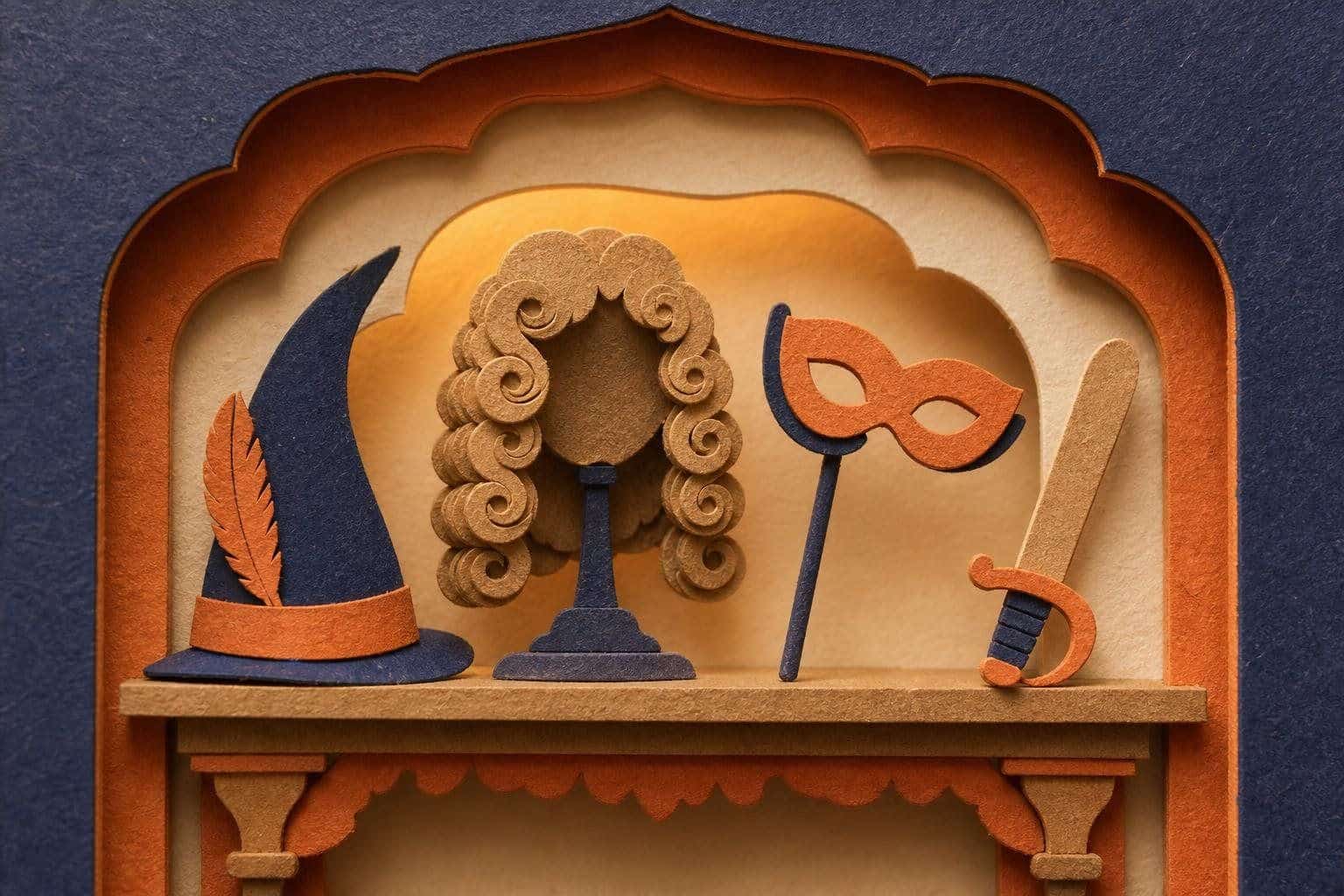
A hat, a belt, a pouch, a cloak or shawl and a drinking vessel complete the look. Simple jewelry, a flower crown or a feather in a cap carries a lot of weight. A no-sew cape can work as a cloak, and the accessories guide explains how to make and wear hats and props safely. For fantasy twists, see fantasy and elf costume ideas.
Budget-friendly builds
- Secondhand base. A long skirt, a loose shirt, a vest and a belt cover most of the outfit.
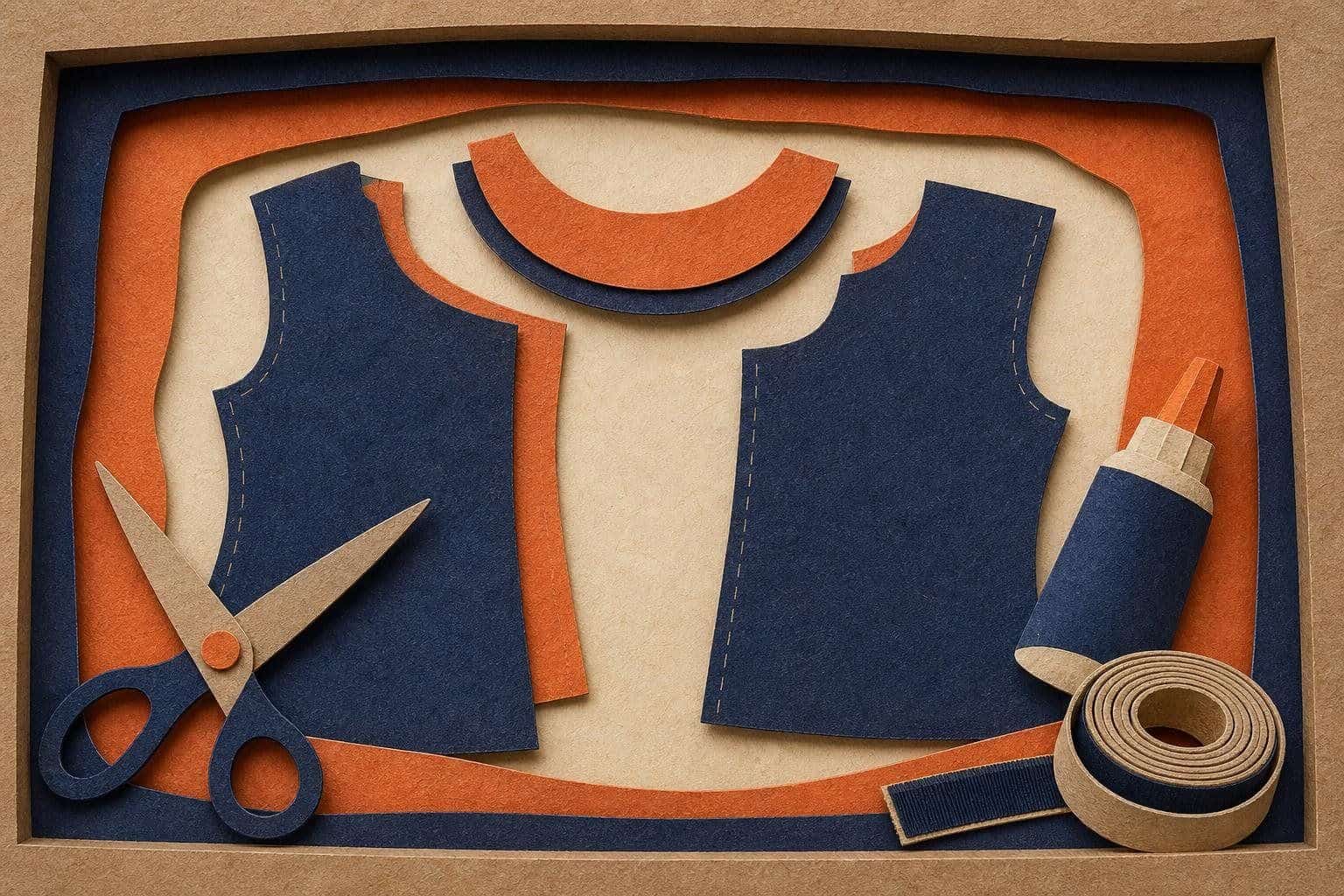
- Felt and fleece. Cut a tabard, hood or cap and glue the edges.
- One standout. Spend time on one hat, one belt or one cloak.
- Borrow and swap. Friends often have extra pieces.
- Add over time. Start with the base and add a layer each year.
Choosing your first outfit
Think about the weather, how long you will stay and how much you want to join in. A shirt, a long skirt or trousers, a belt, a hat and good boots is enough for a full day. Add layers as you learn what you like.
Wearing it well
Practice before the day. Put on the whole outfit at home, walk, sit, climb stairs and raise your arms, then adjust anything that binds or slips. Lace a bodice a little looser than you think you need, since you will be eating, walking and sitting for hours. Pin a hem that drags, and carry a few safety pins and a small repair kit in your pouch.
Choosing a character
Many visitors choose a role: a villager, a merchant, a squire, a noble, a traveler, a performer. A role helps you decide what to add. A merchant might wear a heavy belt and several pouches, a noble a richer color and a brooch, a traveler a hooded cloak and sturdy boots. You do not have to act the part, but a role makes choices easier and a look more consistent.
Questions people ask
What should a first-timer wear to a renaissance faire?
Do I have to dress up to go to a renaissance faire?
What did people actually wear in the renaissance?
Are faire outfits historically accurate?
How do I stay cool in a faire costume in summer heat?
What shoes should I wear?
Can children wear a renaissance costume?
How can I build a faire outfit on a small budget?
What accessories finish the look?
What do I do about weapons and props?
Keep going