B-horror and 1970s sci-fi movies
A guide to b horror movies and 1970s science fiction films worth knowing, what made them last, and how to recreate their looks cheaply at home.
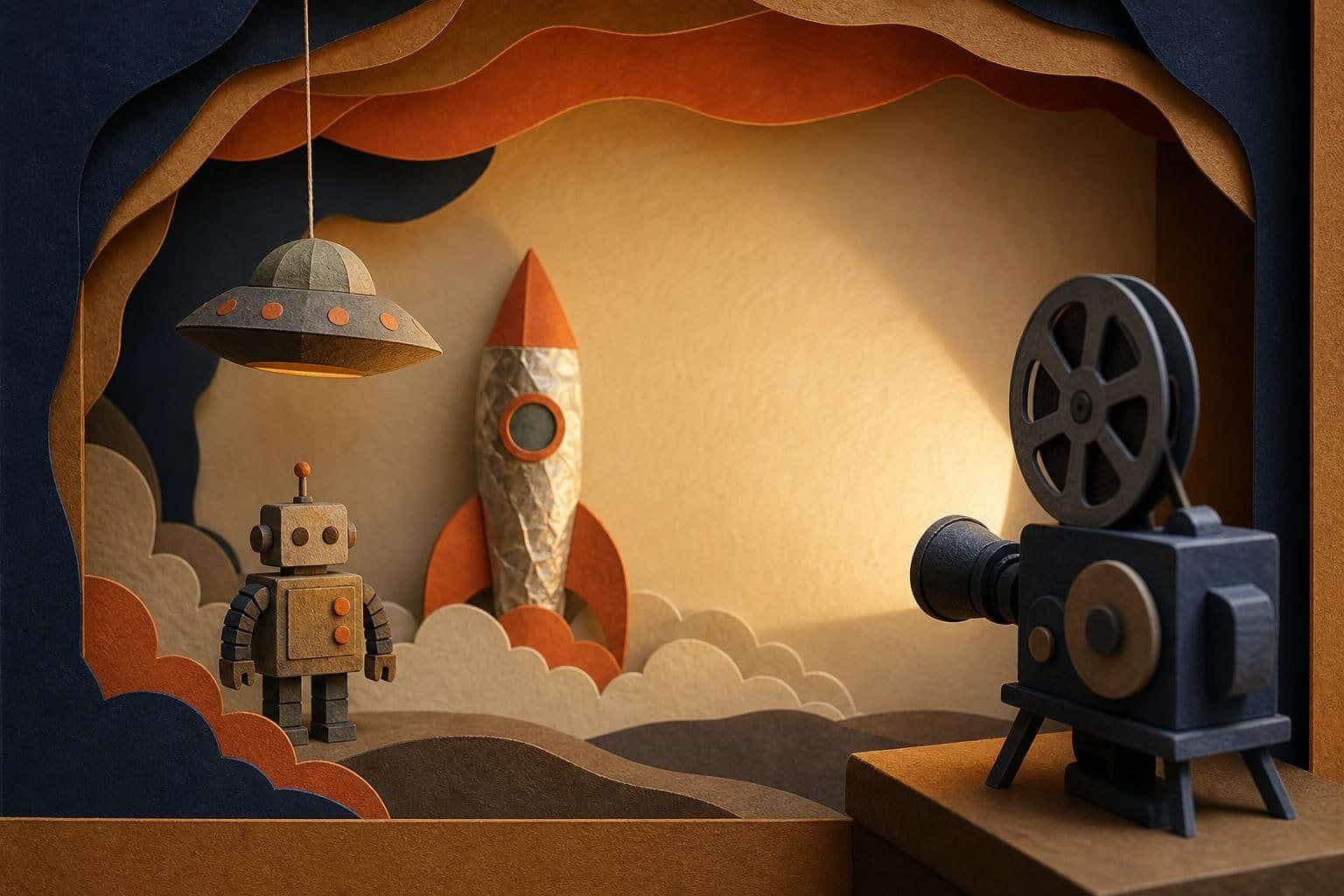
Some of the most-copied costumes in horror and science fiction come from films that were made quickly, cheaply and on a shoestring. B horror movies and 1970s science fiction share a habit of solving big problems with small budgets, and that inventiveness is exactly what makes them good starting points for a homemade costume. This guide picks the titles worth knowing, explains why they lasted, and shows how to rebuild the looks without spending much.
What a B movie really is
The term started in the studio era, when a cinema program often had two films and the second, cheaper one was called the B picture. Over time the label came to mean any low-budget genre film, usually horror, science fiction or crime. The budget limits shaped the style. Sets were reused, effects were practical and ideas had to do the work that money normally does.
Not all B movies are bad. Some are accidental classics, some are deliberate comedies and a few are genuinely influential. The ones worth knowing tend to have one thing in common: a very clear idea.
B-horror films worth knowing
Plan 9 from Outer Space (1959)
Ed Wood wrote, directed, produced and edited this independent science fiction horror film, released in 1959. It is often described as the epitome of so-bad-it’s-good cinema, and it has a large following because of its sincerity. Costume takeaway: the aliens’ uniforms and the saucer-era look are simple and cheerfully retro.
The Little Shop of Horrors (1960)
Roger Corman’s horror comedy was reportedly shot in just two days, on sets left over from A Bucket of Blood. It features a young Jack Nicholson in a small part and a talking, man-eating plant that became an icon of its own. A plant costume is easy: a green hooded sweatshirt, petals cut from felt around the face and a big felt mouth around the hood opening.
Night of the Living Dead (1968)
George A. Romero’s film was made independently on a very small budget after a major distributor wanted a gentler ending and Romero refused. It changed the zombie from a voodoo servant into the shambling figure most people now picture. The look is quick to build from thrifted clothes and a little grayish face paint; the zombie and vampire costume guide has details.
Attack of the Killer Tomatoes (1978)
John DeBello’s comedy was made on a budget of about $100,000, and it plays its silliness completely straight. It is a good candidate for a family costume: a red felt or foam tomato with big cartoon eyes is safe, funny and not frightening.
1970s science fiction worth knowing
The 1970s were a strange, serious and sometimes bleak period for science fiction cinema. Many films asked what would happen if the future went wrong.
| Film | Year | What it is | Costume idea |
|---|---|---|---|
| Silent Running | 1972 | A lone crew member protects the last forests, kept in space domes | A plain jumpsuit and a small cardboard drone robot |
| Westworld | 1973 | Michael Crichton’s story of a theme park with lifelike robots | Black Western shirt, hat and a calm, fixed stare |
| Dark Star | 1974 | A comic low-budget space film that began as John Carpenter’s student project | Slightly crumpled flight suit and a beach ball alien |
| Logan’s Run | 1976 | A domed city where life ends at thirty | Short colored tunic, simple sandals |
| Close Encounters of the Third Kind | 1977 | Steven Spielberg’s story of first contact | Plain work clothes and a mound of mashed potato, optionally |
| Star Wars | 1977 | A space adventure that changed what blockbusters looked like | Many options; see the sci-fi guide |
| Alien | 1979 | A crew on a cargo ship; Dan O’Bannon wrote the script | A plain cargo-ship uniform and a flashlight |
A few of these deserve a closer look.
Silent Running (1972) was directed by Douglas Trumbull, who had worked on the special effects for 2001: A Space Odyssey and later on Close Encounters. It depicts a future in which forests have vanished from Earth and are kept on space stations, and it is as much about loneliness as about spaceships. Its small, friendly drone robots are a gift to costume-makers: a cardboard box, a few dials and a lot of charm.
Dark Star (1974) began as a student film by John Carpenter. Dan O’Bannon, who co-wrote it and appears in it, reworked some of its ideas into the screenplay for Alien. If you want to see how a very small film can plant seeds for a much larger one, it is a good case.
Logan’s Run (1976) takes place in a domed city under the control of a supercomputer, where everyone must enter the Carousel at thirty. Its costumes are a good lesson in graphic simplicity: bright short tunics in solid colors are instantly readable.
Why these films lasted
The best b horror movies and sci-fi films of the era share a few habits.
Three things recur.
- A clear idea. One striking premise is easier to remember than a complicated plot.
- Practical limits. Visible models, handmade props and real locations have a texture that has aged well for many viewers.
- A place for the audience. Fans can see how it was made, and that makes them want to make it themselves.
How to build the looks cheaply
A few beginner-friendly projects:
- Retro robot: a lightweight cardboard box, silver craft paint, bottle-cap dials, flexible dryer-vent tubing for arms. Sand or tape all edges and leave generous armholes.
- Space-station crew member: a plain one-piece work suit or boiler suit in a pale color, with a name patch made from felt.
- Plant monster: green hood, felt petals, a big soft mouth.
- Killer tomato: red felt over a foam shape, with big cartoon eyes.
For headgear, choose lightweight materials, check that the wearer can see to the sides, and avoid anything that traps heat. Spray paint should be used outdoors, dried fully and kept away from skin and clothing. The space and sci-fi costume guide covers robots, aliens and astronauts in more detail, and the decade costumes guide helps with 1950s and 1970s styling.
How the old effects were done, and how to borrow them
Low-budget filmmakers relied on a small toolkit, and every item in it works for costumes too.
- Forced perspective and scale. Models and miniatures stood in for spaceships and cities. At home, a tiny prop held close to the camera looks bigger than it is, which is useful for photos.
- Practical masks and suits. A single piece of rubber or foam carried a whole creature. A hooded sweatshirt with a foam mouth does the same job on a budget.
- Lighting as makeup. Green or blue light on a plain face changes the mood more than paint. A cheap colored bulb or a phone screen with a gel over it is enough for a photo.
- Sound as the scare. Many of these films get their effect from a hum, a beep or a strange voice. A small battery buzzer or a recorded phrase adds personality without any extra materials.
Planning a double-feature costume party
The B-picture idea makes a good party theme. Ask guests to pick one character from a low-budget horror film and one from a 1970s science fiction film, then arrive as whichever they prefer. A table of simple craft supplies, such as cardboard, foil, felt, bottle caps and paint, lets latecomers improvise a robot or plant on the spot. Keep a small first-aid kit for craft cuts, and set aside a spot for glue guns so they stay away from the dance floor.
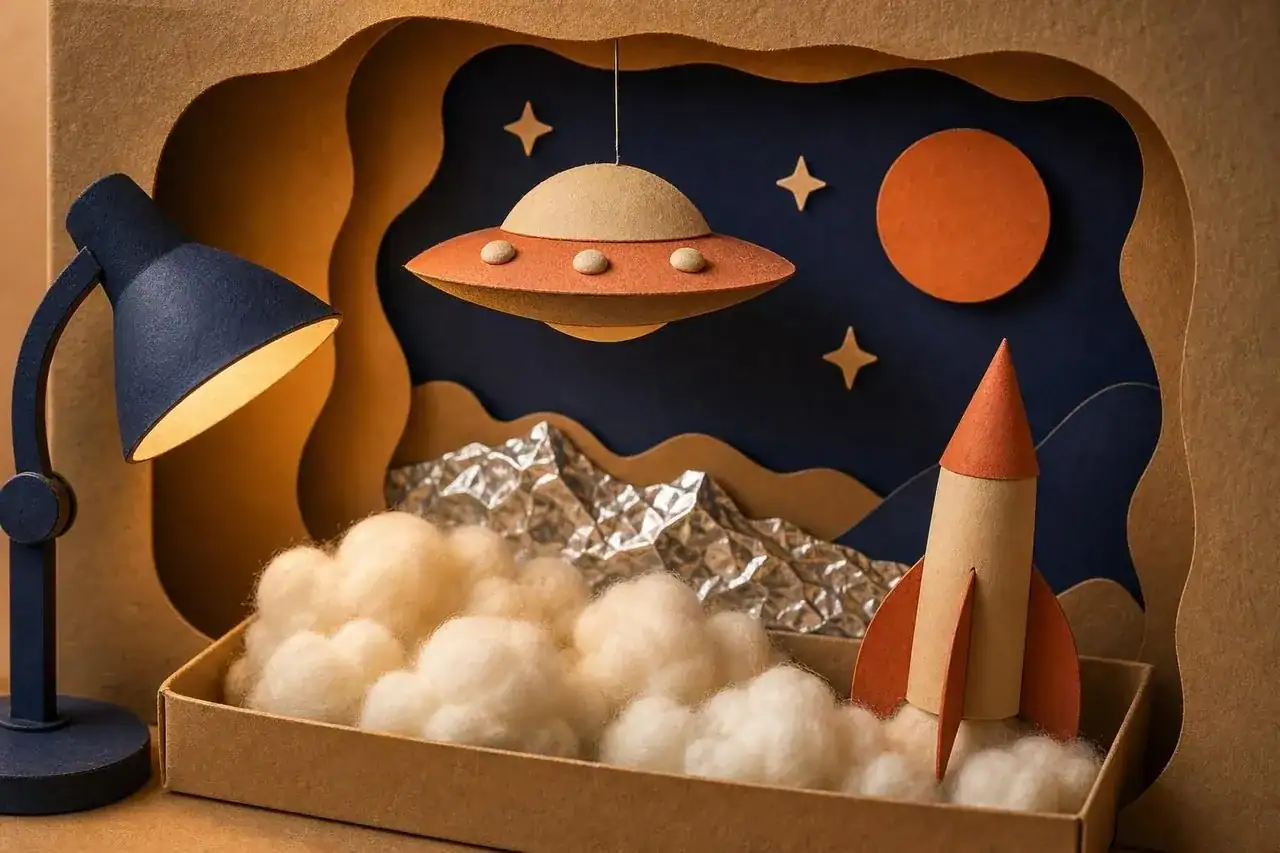
For younger guests, choose silly rather than scary characters: the plant, the tomato, the retro robot, the saucer alien. Older guests can take on the more serious entries such as the space-station crew or the black-clad theme-park figure.
Watching with family: a short guide
Older films carry older ratings, and horror from any era can be too intense for younger children. A few practical habits help.
- Read a reputable review first so you know what the film contains.
- Watch with the child, not near them. Being in the room changes how frightening a scene feels.
- Pick comedy or atmosphere over shock. The Little Shop of Horrors and Attack of the Killer Tomatoes are comedies at heart. Silent Running is more sad than scary.
- Stop when it stops being fun. A film that does not suit today can wait for later.
Choosing a costume by age and skill
| Person | Good starting point | Why |
|---|---|---|
| Child under eight | Tomato, retro robot, friendly plant | Soft, funny, lightweight |
| Child eight to twelve | Space-station crew, saucer alien | Needs a little cutting and painting |
| Teen | Drone robot, theme-park figure, crew uniform | More detail, more craft |
| Adult | Any of the above, weathered | Subtle styling, strong silhouette |
Whichever you choose, check the eye holes, test movement and keep a trip-free hem. Masks and tall headgear need a practice walk before the event.
Where to go next
B horror movies reward curiosity: each one points to a director, a studio or a trick worth looking up. If this page made you curious about the stories behind famous films, the horror villains and monsters guide links the rest of the series. Horror sequels and remakes shows what happened when some of these ideas were revisited, and the scariest scenes in horror looks at the craft behind individual moments. For simple builds, see DIY costumes.
Questions people ask
What is a B movie?
Why is Plan 9 from Outer Space so famous?
Was The Little Shop of Horrors really filmed in two days?
Which 1970s science fiction films should a newcomer see first?
Who made Silent Running?
Is Dark Star connected to Alien?
What is the easiest B-movie costume to make?
How do I make a retro robot costume safe for a child?
Are old B-movies suitable for family viewing?
Why do cult films matter to costume culture?
Keep going