Bear mascot costumes
How a bear mascot costume is built, from foam head to fleece body, plus fit, ventilation, visibility, wearing it for an hour and keeping it clean.
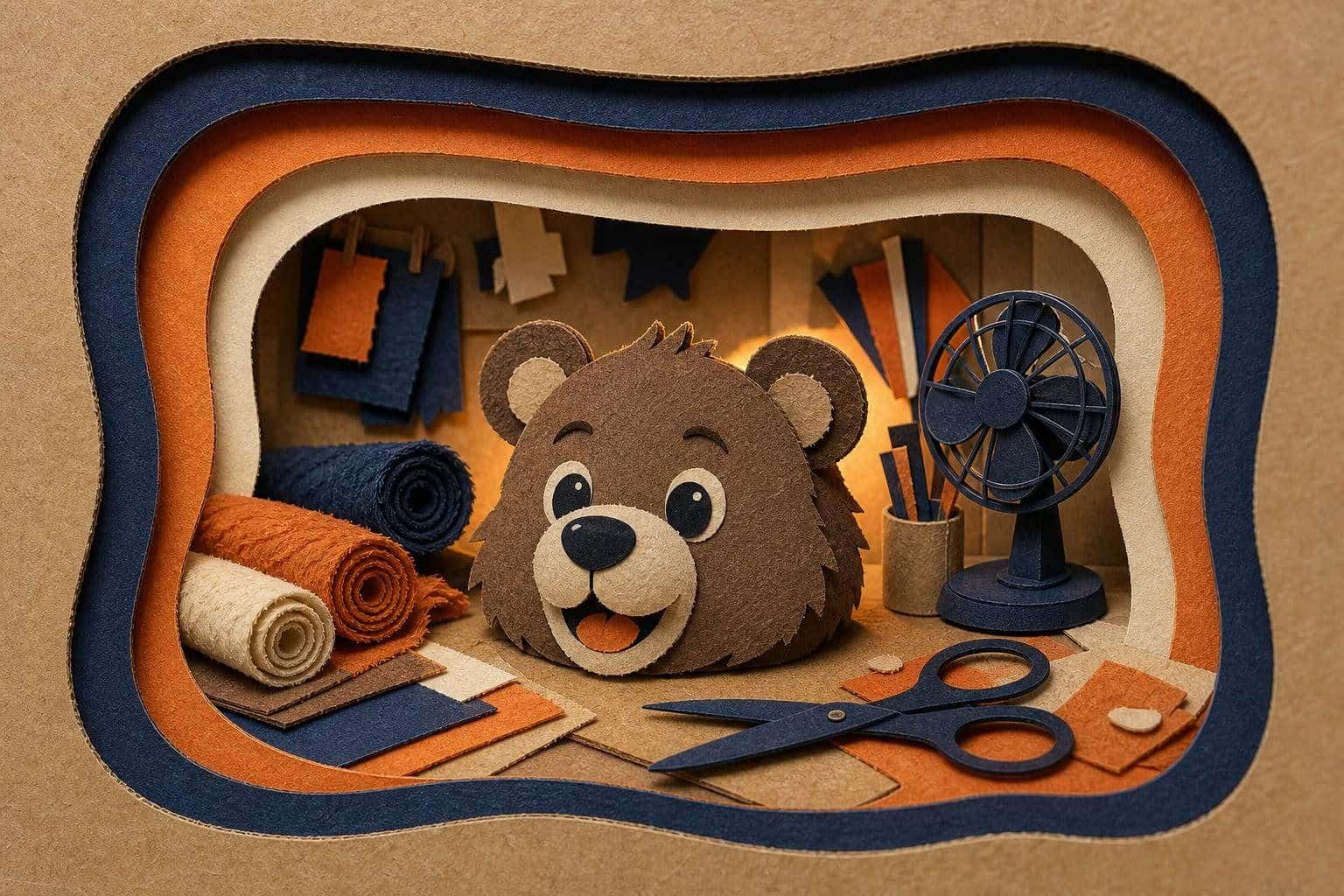
A bear mascot costume is one of the friendliest builds there is, and one of the hottest to wear. The look is simple: a rounded head, small ears, a soft body and big paws. The craft is in how the shell, the cover, the eyes and the airflow work together. This guide explains how a bear mascot costume is put together, how it should fit, how to wear one for an hour without trouble, and how to keep it in good shape afterward. For the wider picture of the craft, see the mascot costumes guide.
How a bear mascot costume is built
Almost every bear mascot follows the same four-part plan.
- The head shell. A light structure that holds the bear’s round shape. Makers use sculpted upholstery foam, craft foam over a base, or a lightweight cap form. Foam is popular because it is light and can be carved with scissors or a sharp blade.
- The cover. Faux fur or fleece, cut in panels and fitted over the shell so the seams land on the natural lines of the face and ears.
- The eyes and sight window. Either the eyes are mesh and the wearer looks through them, or a hidden window sits in the mouth or nose.
- The body. A loose jumpsuit, plus mitten-style paws and padded or covered feet.
Planning the head first matters, because it is the only part that cannot be adjusted once covered. Many makers cut a paper pattern, test it in cheap foam, and only then cut the good fabric.
Materials that work
| Part | Common choice | Why |
|---|---|---|
| Head base | Upholstery foam, 1 to 2 inches thick | Light, carves easily, holds shape |
| Inner band | Soft elastic or a padded headband | Keeps the head from sliding |
| Body | Fleece or short-pile faux fur | Fleece is cooler, fur looks richer |
| Eyes | Black mesh or dark craft screen | See out, hidden from outside |
| Paws and feet | Fleece over felt or foam | Soft, grippy, easy to shape |
| Fastening | Hook-and-loop tape, zip | Quick to get in and out of |
Budget varies with the cover: fleece and foam keep a basic home build cheap, while good faux fur costs noticeably more and runs hotter. Choose the cover for the room it will be worn in.
Faux fur or fleece?
Short-pile faux fur reads as a bear from across a room. It also holds more heat, sheds fibers when cut and needs a brush now and then. Fleece is light, does not fray, sews on a basic machine and washes easily. For a first build, or for any bear worn indoors, fleece is usually the better start. A common compromise is fur on the head and ears, where the look matters most, and fleece on the body.
Eyes, mouth and visibility
A mascot head limits what the wearer can see. Plan the sight line before covering the foam.
- Put the window where the wearer’s eyes actually sit, and check it with the head on, in a mirror.
- Use dark mesh so the opening vanishes on the outside.
- Cut the opening large enough to show some peripheral view. Narrow slits are the most common mistake.
- Test stairs, doorways and crowds with a helper before the event.
Even with a good window, the wearer sees less and hears less. Turn the whole body to look, move slowly in crowds, and keep a guide close by. This also matters for the other people in the room, since a large bear head can hide small children from the wearer.
Ventilation and heat
The head is the problem area. It traps breath and warmth. Useful fixes:
- A mesh mouth or a gap under the chin so air can move.
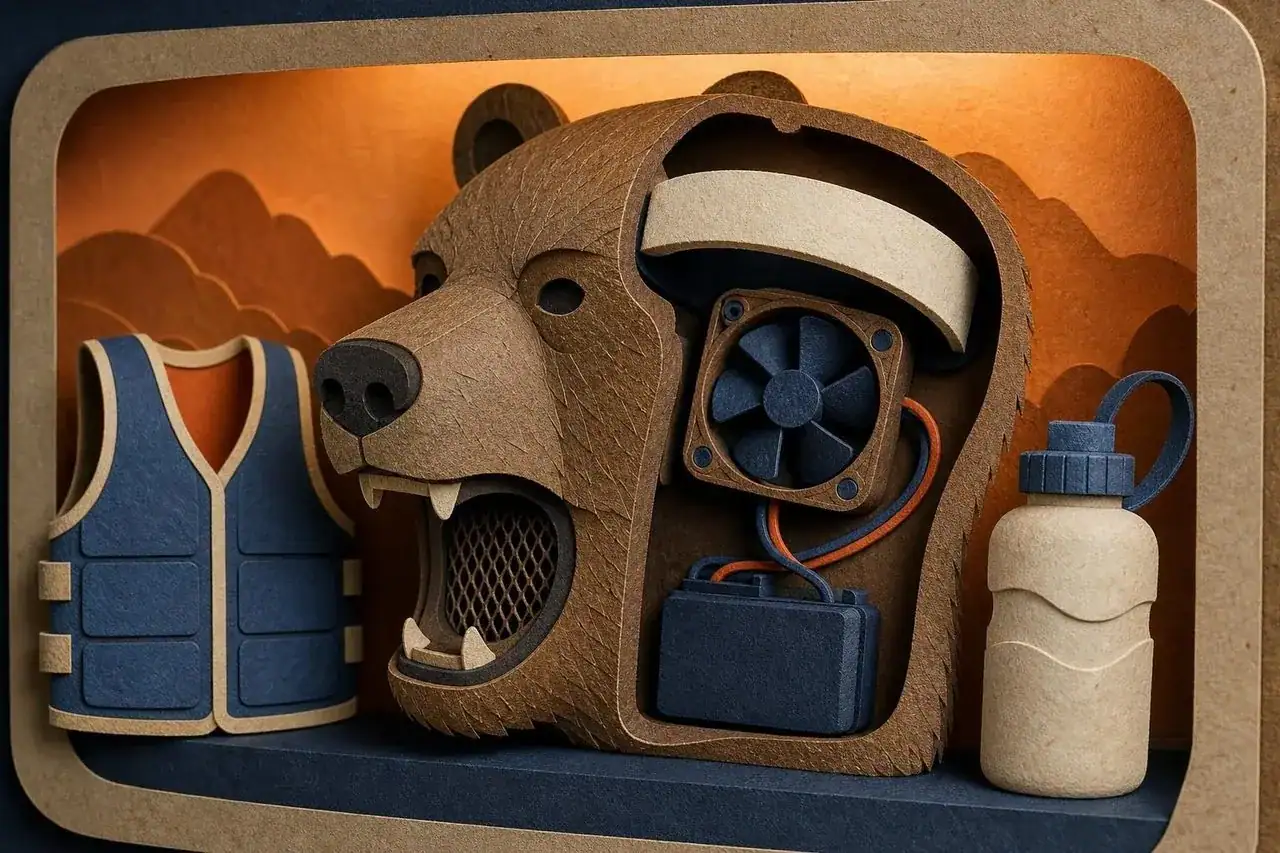
- A small battery fan in the head, mounted so it cannot touch the face and with cables kept clear.
- A thin, moisture-wicking cap under the head instead of a heavy hood.
- A light base layer under the body, not a thick sweatsuit.
Heat is the main safety issue with this costume. The full list of cautions is in the costume safety guide, but the short version is: plan breaks, drink water, and take the head off at the first sign of dizziness, headache or nausea, and treat confusion or fainting as an emergency: call 911.
Getting the fit right
Measure the wearer, not a chart. Take the head circumference, shoulder width, arm length, inside leg and foot length. Then:
- Make the body about a hand-width looser than normal clothes so it does not bind when the wearer sits or waves.
- Give the head enough room that a hand fits between the foam and the face, with a padded inner band to keep it steady.
- Shape the paws so the wearer can still grip a handrail or a door handle, either with open palms or a thin glove under the fur.
- Keep the hem of the body clear of the shoes to avoid tripping, since fleece and fur catch on heels.
Check the fit sitting, walking and raising both arms, not only standing still.
Wearing it for an hour
An hour is a long time inside a bear. A sensible plan:
- Work in short sets of around 15 to 20 minutes, then take a break somewhere cool with the head off.
- Drink water before and after, and have it within reach.
- Keep movement slow. Big gestures look better than fast ones and use less energy.
- Agree a signal with a helper that means “I need out now.”
- Stop for good if the wearer feels unwell. No performance is worth it.
Building a bear for different wearers
For a child. Choose a hooded fleece suit with ears and a soft nose, with no enclosed head. If the costume must have a head, keep it light, open at the face and worn for minutes, not an hour.
For an adult. A full foam head is realistic, but build a strong inner band and test it by moving. Padding the shoulders can make the proportions look right without adding bulk.
For a team. Color variations such as brown, black, white and tan give distinct characters and can share the same pattern. See animal costume ideas for more characters to build from a similar plan.
Care, cleaning and storage
- Body: wash according to its label, usually gentle and cool, and air dry. Brush faux fur gently once dry.
- Head: do not submerge foam. Spot clean the outside with a damp cloth and a little mild soap, and wipe the inside lightly, then dry fully.
- Inner band and cap: make these removable and washable after every use. They absorb sweat.
- Storage: keep the head on a stand or lightly stuffed in a breathable bag, in a cool dry place away from direct sun and heaters.
Common mistakes
- Covering the head before testing the sight line.
- Using heavy, long-pile fur indoors.
- No inner band, so the head slides every time the wearer turns.
- Paws so thick that the wearer cannot grip anything.
- Skipping breaks because the performance is going well.
What to build next
Once the bear is working, small finishing touches such as a bowtie, a scarf or a pair of round glasses give it a character. Browse costume accessories for ideas, and look through the DIY costume guides for related techniques in foam, felt and fabric.
Questions people ask
How do you make a bear mascot costume at home?
How does the wearer see out of a bear mascot head?
How hot does a mascot costume get?
What is the best fabric for a bear mascot body?
How long can someone wear a bear mascot costume?
Can children wear a bear mascot costume?
How do you stop the head from smelling or fogging up?
How do you clean a bear mascot costume?
How should the costume be stored?
How do you size a bear mascot costume?
Keep going